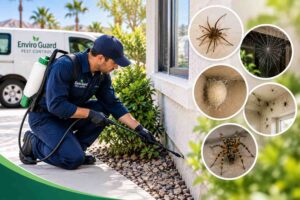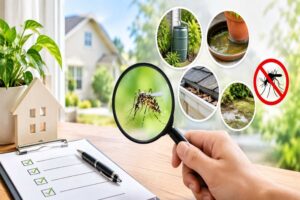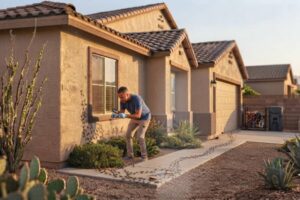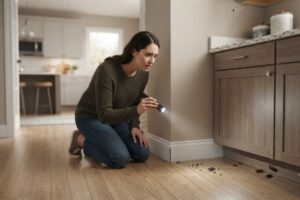
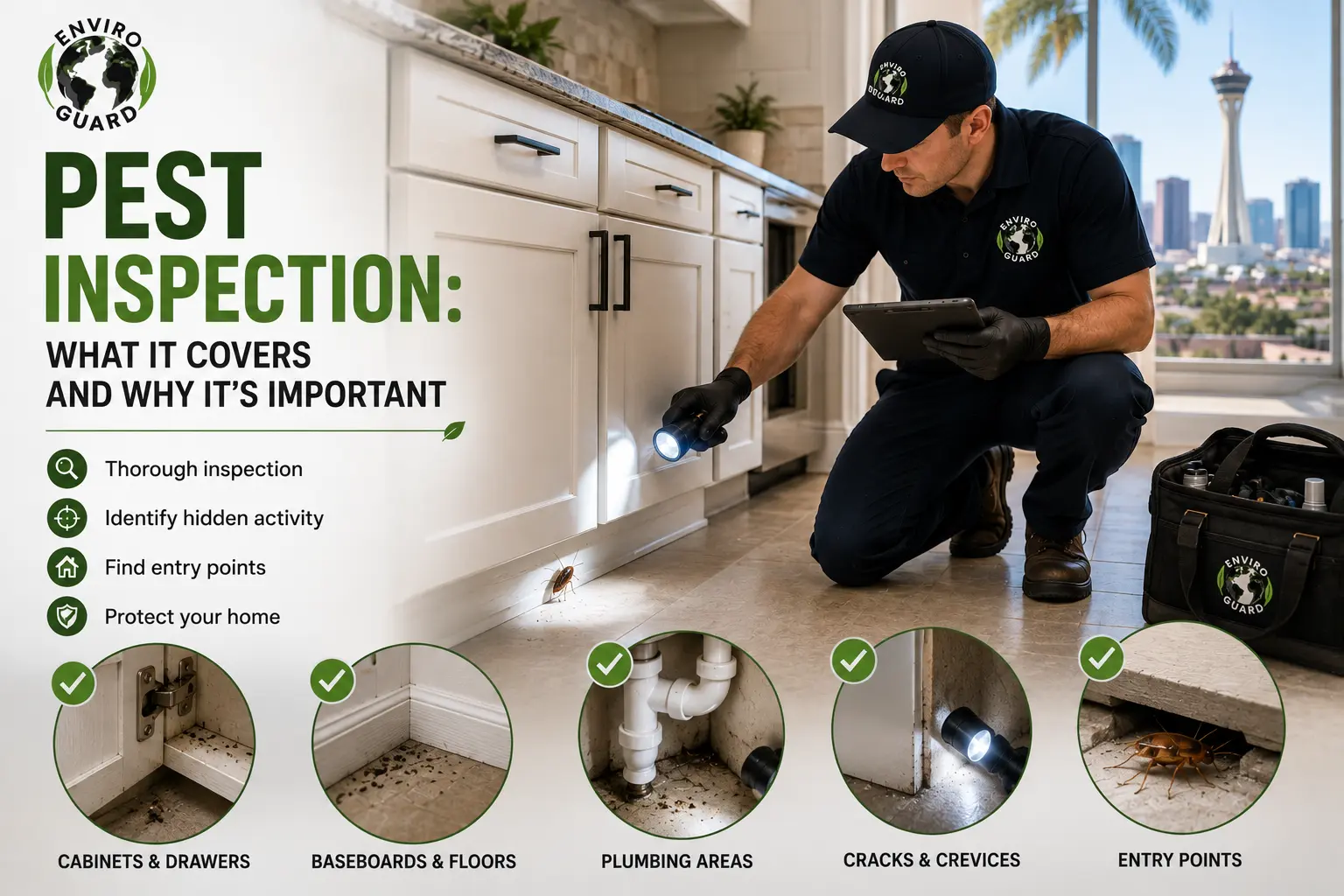
You see some ants in the kitchen, a scorpion in the garage or even droppings in a hidden corner. Your first reaction is probably “How do I get rid of this?” But before you treat, it’s helpful to know why the pest is there in the first place. A professional pest inspection identifies evidence of pest activity, possible entry points and conditions that are conducive to pest activity.
In this guide, we’ll explain what a pest inspection covers, why it matters, and what to expect during the process.
What Is A Pest Inspection?
A pest inspection is a professional check of your home or business to identify pest activity, signs of pests, possible entry points, and conditions that may be attracting them.
It is not just about finding live bugs.
Many pests stay hidden. A technician may not see the pest during the visit, but they can often find clues that show where pests are active and why they may be staying.
A professional pest inspection may include checking for:
- Pest droppings
- Nesting areas
- Egg cases
- Pest damage
- Entry points
- Moisture issues
- Areas where pests find food, water, or shelter
A pest inspection is different from a standard home inspection. A home inspection looks at the general condition of a property, while a pest inspection focuses on pest activity and the conditions that allow pests to enter.
For example, if you see a scorpion near your garage, it may be pointing to cracks near the foundation, outdoor hiding spots, or gaps near doors. The goal is to do more than get rid of the one you were looking at, but also figure out why it was there.
If you are unsure what is causing pest activity around your property, Enviro Guard offers a free pest inspection in Las Vegas to identify active pests, entry points, and conditions attracting pests.
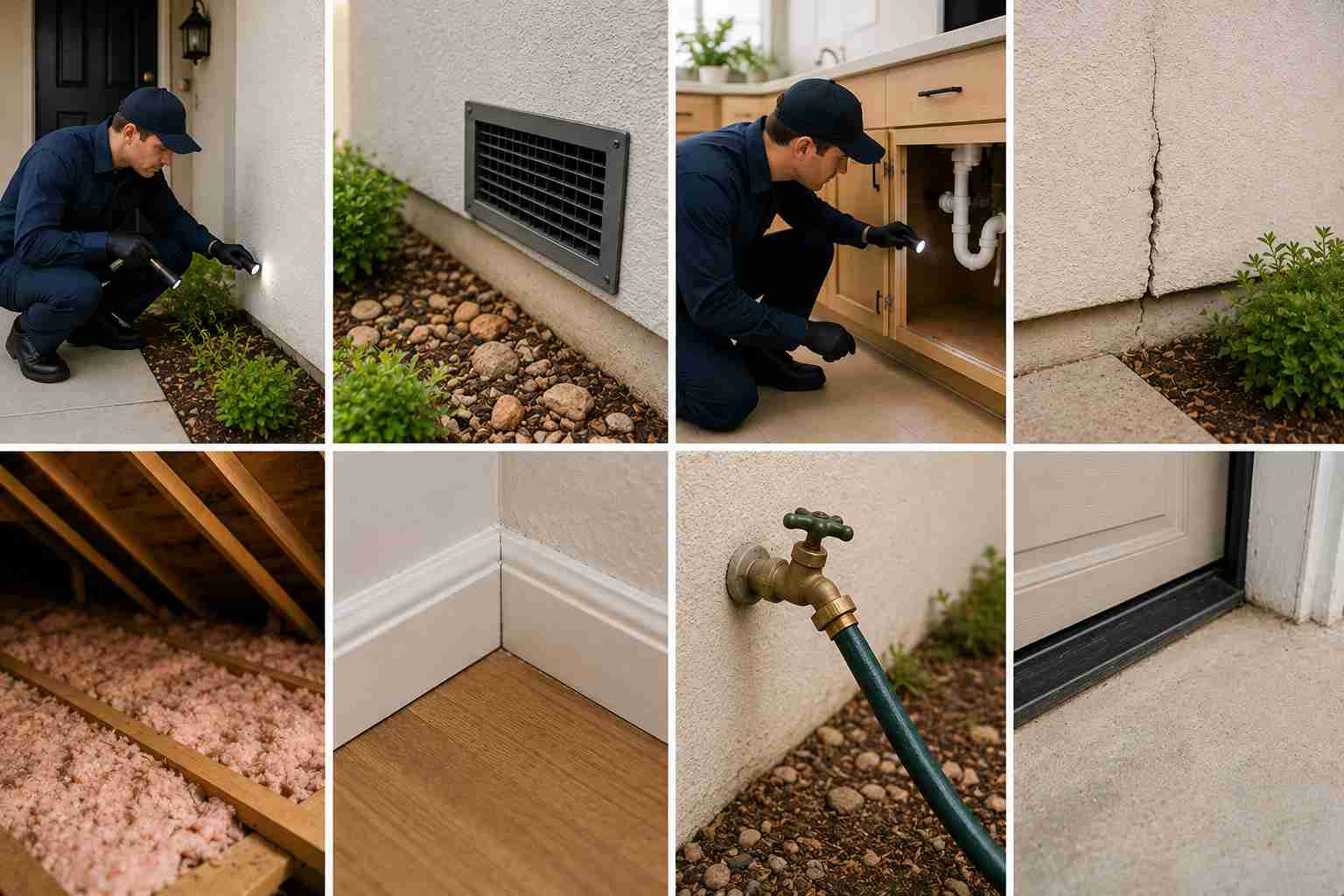
What Does A Pest Inspection Cover?
A good pest inspection looks beyond the pest itself.
Properties in Las Vegas deal with conditions that can increase pest activity, including desert surroundings, warm temperatures, irrigated landscaping, and small gaps around buildings.
A professional inspection usually covers:
- Interior areas
- Exterior areas
- Entry points
- Conditions attracting pests
1 Interior Areas Of The Property
Inside your home or business, technicians inspect areas where pests commonly hide.
The areas might consist of:
- Kitchen
- Bathrooms
- Garages
- Attics
- Bedrooms
- Storage units
- Cabinets
- Baseboards
- Utility areas
During inspection, technicians look for:
- Feces
- Living pest activity
- Nesting material
- Cases of eggs
- Damage
- Hiding places
Different pests leave different signs.
Cockroaches often hide near plumbing, appliances, and cabinets. Seeing one roach may mean there is more activity nearby.
Ants are another example. An ant trail shows where ants are travelling, but it does not always show where they are entering or where the colony is located.
A pest inspection helps connect these signs to the bigger problem.
2 Exterior Areas Of The Property
The outside of your property often plays a major role in pest activity.
Many homes sit close to desert areas where pests naturally search for food, water, and shelter.
Technicians may inspect:
- Foundation lines
- Doors and windows
- Cracks and gaps
- Patios
- Garages
- Landscaping
- Irrigation areas
- Outdoor storage
For example, a scorpion near your garage may be connected to outdoor hiding areas, landscaping conditions, or openings around your property.
Spiders can also provide clues. If spiders are common around your home, there may be another pest source nearby because spiders follow their food supply.
Entry Points And Conditions That Attract Pests
One of the most important parts of a pest inspection is finding how pests enter.
Common problem areas include:
- Gaps around pipes
- Door gaps
- Damaged screens
- Cracks around foundations
- Outdoor clutter
- Excess moisture
- Landscaping touching the building
Small openings can give pests easy access.
Moisture is another condition technicians look for during inspections. Leaks, damp areas, and water buildup can attract pests and create places where they can survive.
Learn more about this connection in Enviro Guard’s guide on how moisture problems can lead to major pest infestations.
Why Is A Pest Inspection Important?
Many homeowners call pest control after they see a problem. The challenge is that pests are often active before they become easy to notice.
A pest inspection helps you understand what is happening before the problem grows.
1 Find Problems Earlier
Pests are experts at hiding.
Roaches can stay behind appliances. Scorpions can hide under outdoor materials. Rodents can move through areas homeowners rarely check.
By the time you see frequent activity, the problem may already be developing.
An inspection helps find warning signs early and gives you a clearer idea of what steps to take next.
2 Protect Your Property
Some pests can develop property issues if untreated.
For example:
- Rodents chewing wire or insulation
- Termites gnawing wood
- Pest issues in commercial spaces
An inspection is to identify threats and help you make informed decisions.
For Nevada pest management resources, homeowners can visit the University of Nevada, Reno Extension.
3 Understand The Right Treatment
Not every pest problem needs the same solution.
The right treatment depends on:
- The pest involved
- Where activity is happening
- How pests are entering
- Conditions supporting the problem
Spraying where you see pests may only solve part of the issue.
For example, killing ants along a countertop may remove visible ants, but it may not stop more ants from entering through another location.
Enviro Guard uses an inspection-first approach to understand the problem before recommending treatment.
4 Avoid Spending Money On The Wrong Solution
Repeated treatments may not solve a pest issue if the cause is unknown.
A professional inspection helps you understand:
- What pest you are dealing with
- Where it is active
- What conditions are supporting it
- What steps can help prevent future issues
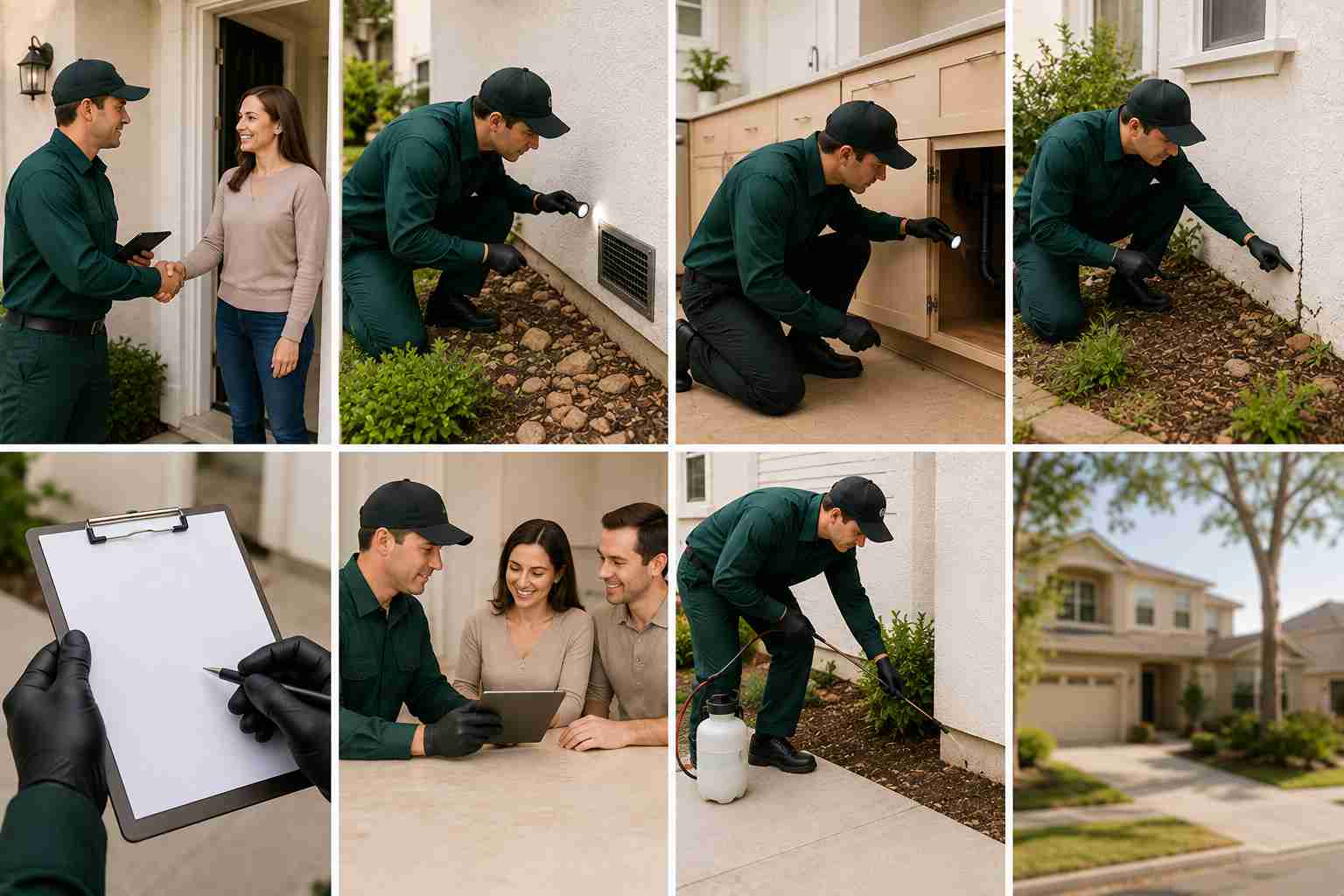
What Happens During A Pest Inspection With Enviro Guard?
A pest inspection should help you understand the problem clearly.
1 Property Assessment
The technician began by asking what you had noticed.
Questions may include:
- What pests have you seen?
- Where did you see them?
- When did the activity start?
- Did you try any treatments?
2 Property Inspection
The technician checks:
- Interior areas
- Exterior areas
- Entry points
- Signs of pest activity
- Conditions attracting pests
3 Findings And Recommendations
After the inspection, you are told:
- What was seen
- Where activity is taking place
- Causes and possible causes
- What to do next
Enviro Guard emphasises fully explaining the findings before suggesting treatment.
When Should You Schedule A Pest Inspection?
A pest inspection makes sense if:
- You keep seeing pests
- You recently bought a home
- You are selling a property
- You find droppings
- You hear scratching sounds
- You notice possible damage
- You want preventive protection
Whether you own a home, manage a rental property, or run a business, Enviro Guard helps identify and manage pest problems before they become bigger issues with residential pest control and commercial pest control services in Las Vegas.
Schedule Your Free Pest Inspection In Las Vegas
Not sure what is causing your pest problem?
Enviro Guard can inspect your property, explain what we find, and recommend the next step. If you need immediate help, you can also request 24-hour pest control for urgent pest situations.