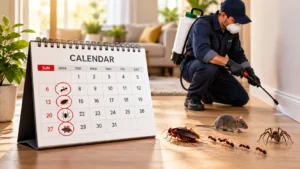
Finding cockroaches after a treatment can be frustrating, but it doesn’t automatically mean the treatment failed. The timing, number of sightings, and type of treatment all matter.
Some roaches may take days to die from slow-acting bait, while hidden egg cases, missed hiding spots, and moisture sources can allow more to appear.
In Las Vegas, shared plumbing, wall gaps, and openings around AC lines can also give cockroaches a way back inside. If cockroach activity remains high or shows little improvement in the first one to two weeks, contact your pest control technician to review the treatment and decide if another visit is needed.
Why Do Cockroaches Return After Pest Control?
1 Hidden Cockroach Hiding Places Allow Roaches to Survive
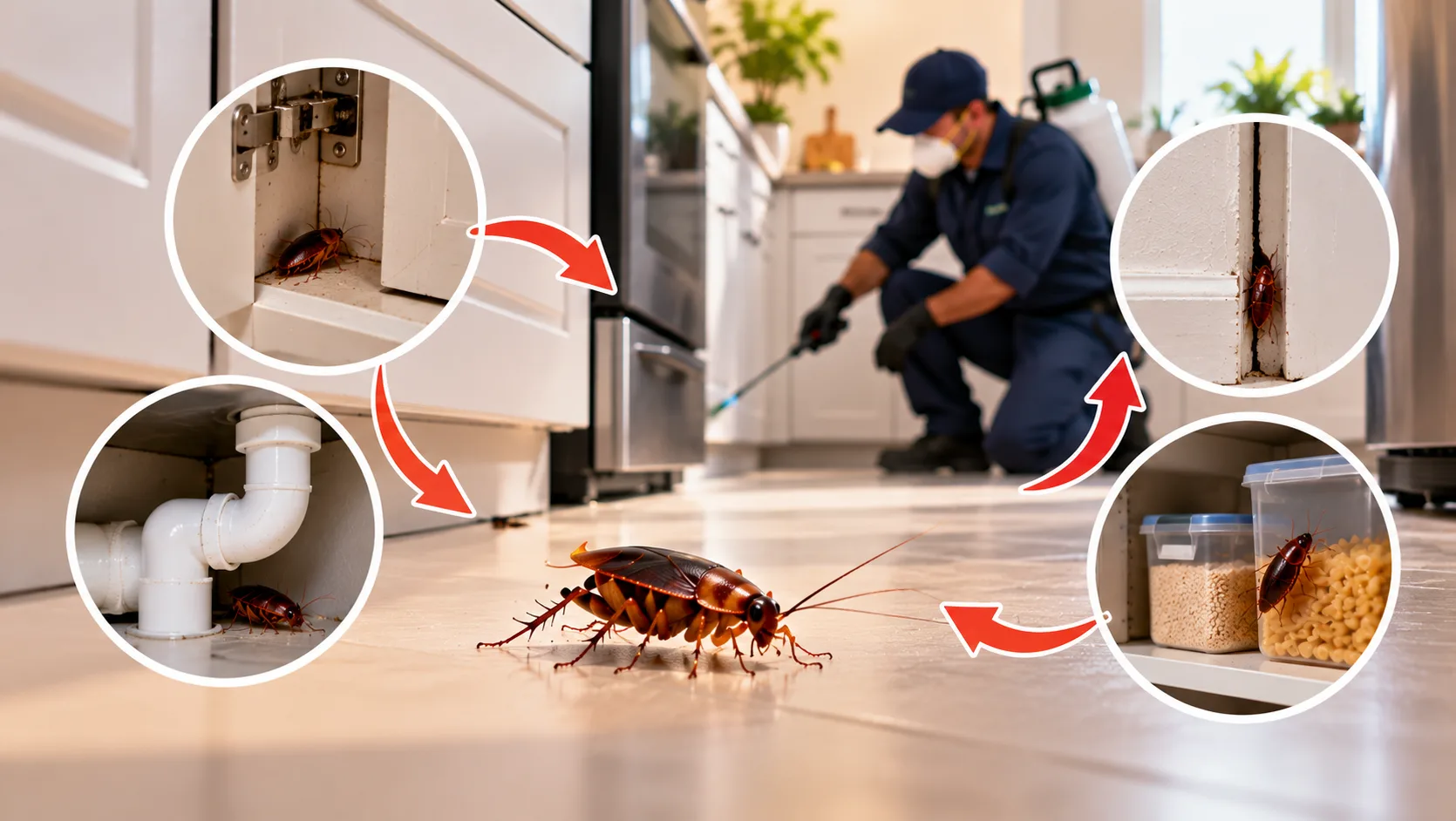
The University of California Statewide Integrated Pest Management Program explains that German cockroaches can hide in cracks as narrow as 1/16 inch. A spray may kill cockroaches that come into direct contact with it without reaching those hidden areas.
Cockroaches often shelter in narrow cracks and spaces behind appliances, so treating only exposed floor areas may leave important hiding places untouched.
What Homeowners Should Check
- Check behind kitchen appliances.
- Look around pipes and gaps in walls.
- Check the corners inside cabinets.
- Check around and behind the dishwasher.
- Look for droppings, shed skins, and egg cases.
- Watch for cockroaches appearing repeatedly in the same area.
2 Cockroach Eggs Hatch After Treatment
Some cockroach treatments may not kill eggs developing inside protected egg cases, allowing young cockroaches, known as nymphs, to appear after treatment.
Cockroaches produce egg cases called oothecae. Depending on the species, females may carry these cases until shortly before hatching or leave them in protected hiding places. Newly hatched nymphs can therefore appear even after adult cockroaches have been treated.
The University of California Statewide Integrated Pest Management Program explains that cockroach egg cases are often deposited in protected crevices and that German cockroach egg cases can contain around 30 young. The timing of hatching varies by species and conditions.
What to Do When New Roaches Hatch
- Monitor cockroach activity for the first few days after treatment.
- Follow the technician’s instructions.
- Arrange a follow-up if new cockroaches keep appearing.
3 Food and Moisture Attract Cockroaches Back
A clean home may experience recurring cockroach problems.
Common Food and Water Sources
Cockroaches can survive on grease, crumbs, spilled drinks, pet food, and food scraps near appliances.
They also need water. A slow leak under the kitchen sink, condensation around a refrigerator, or dampness near a bathroom pipe can give them easy access to moisture.
Las Vegas has a dry climate, so cockroaches may enter buildings to find food, water, and shelter, especially in damp areas and near leaking pipes.
What to do
- Wipe grease and food spills from the stove and counters.
- Store food in tightly sealed containers.
- Empty rubbish bins regularly and clean residue from the bottom.
- Fix leaking taps and pipes.
- Avoid leaving pet food out overnight when possible.
4 Different Cockroach Species Require Different Treatments
Not all cockroaches live in the same place.
| Cockroach Type | Hiding Places | Why They Return |
| German cockroaches | Kitchens, bathrooms, cabinets | Eggs hatch, and surviving roaches breed quickly. |
| American cockroaches | Drains, sewers, damp outdoor areas | They enter through gaps around pipes, doors, and garages. |
The right treatment depends on the type of cockroach. German cockroaches often need gel bait and treatment in hiding spots. American cockroaches may need treatment around drains, entry points, and the outside of your home.
If you share walls with neighbors in a condo or apartment, there’s another factor. Mississippi State’s extension points out that German roach control is especially hard in multi-family buildings, because roaches move between units. Your home can be treated perfectly and still get visitors.
Roaches can also ride in on grocery bags, delivery boxes, used furniture, and luggage.
5 Spraying Alone May Not Eliminate Cockroaches
A spray can kill the roach in front of you. But Penn State’s extension notes that sprays can scatter roaches and make control harder and slower.
Some sprays can also make cockroaches avoid bait or treated areas, depending on the product used.
Tip: Never spray over or near bait. If you see a roach, grab a vacuum or a paper towel instead.
6One Cockroach Treatment May Not Be Enough
Cockroaches at different life stages may not encounter bait or treated surfaces at the same time.
For long-term cockroach control, contact EnviroGuard for cockroach pest control treatment and ongoing support.
Want to see what the early signs of a bigger problem look like? Read our guide on what happens if you ignore a cockroach problem.
How Long Does It Take to Get Rid of Cockroaches After Treatment?
There is no fixed timeline for every infestation. The results depend on the cockroach species, the products used, the size of the population, and whether new roaches are entering the property.
| After Treatment | What you may notice |
| First few days | Some cockroaches may remain active, depending on the treatment used |
| Around the first week | Activity may begin to decrease, particularly when an effective bait program is working. |
| Following weeks | Monitor sightings and trap counts, follow the technician’s guidance about follow up visits. |
| At any stage | Contact the technician if activity remains high, increases, or does not improve as expected. |
Note: These are general observations, not guaranteed milestones. The expected response depends on the cockroach species, treatment method, infestation level, and whether new cockroaches are entering the property.
How Long Does a Cockroach Take to Die After Being Sprayed?
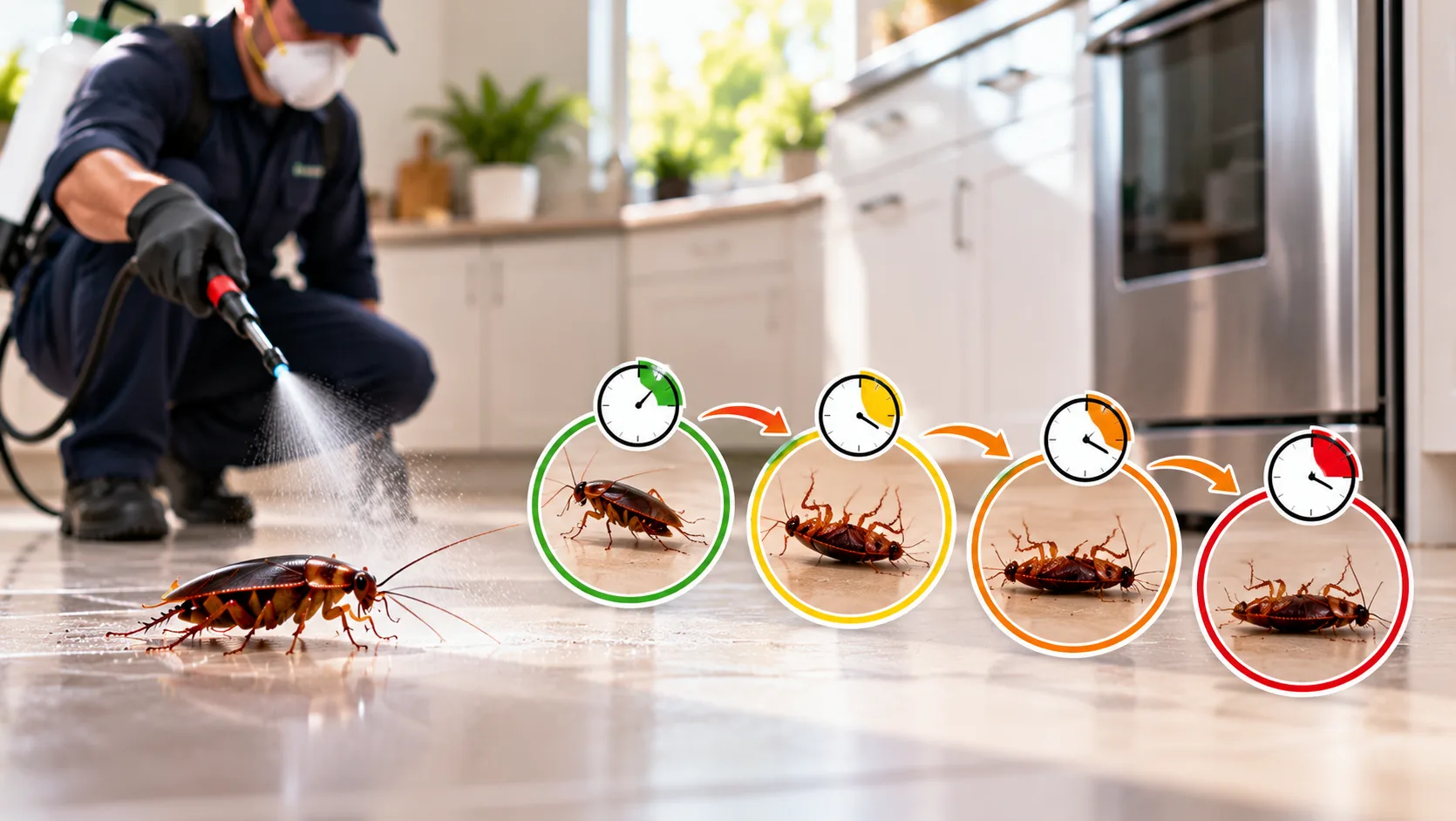
The time it takes for a cockroach to die depends on the product and how it is exposed to the treatment. Some sprays produce a relatively quick effect when applied directly, while many cockroach baits work more slowly. Cockroaches exposed to residual treatments may also respond differently depending on the product.
Seeing a live cockroach shortly after treatment does not automatically mean the treatment has failed. Follow your technician’s instructions and contact them if activity remains high or does not decline as expected.
How Can You Tell If Cockroaches Are Dying?
Watch for these signs:
- Roaches moving slowly, twitching, or lying on their backs.
- Dead roaches along walls, under appliances, or near bait.
- Daytime sightings can indicate substantial cockroach activity, particularly when roaches are normally hidden during the day. Track sightings alongside sticky-trap counts and ask your technician to assess the trend.
- Fewer roaches stuck on your traps each morning.
Tip: The trap count is the easiest way to track progress. Place one sticky trap in the kitchen and one under the bathroom sink. Check them each morning and write down the number. If the count falls week by week, the treatment is working. If it stays the same after three weeks, call your technician back.
How Soon Can You Clean After Pest Control?
Cleaning instructions depend on the product used and the locations treated. You can generally continue routine cleaning in untreated areas, but follow your technician’s instructions for treated cracks, bait placements, and other application sites.
Before cleaning, ask your technician which surfaces need to be cleaned before food preparation, which areas should remain undisturbed, and when you can mop or vacuum treated locations. Keep children and pets away from treated areas for the period specified by the product label and your technician.
Do not disturb gel bait or bait stations unless instructed to do so.
Ask your technician before you clean:
- Which surfaces should I wipe before using them?
- Which spots should I leave alone?
- When can I mop and vacuum?
- Is it safe for my kids and pets to go back into treated rooms?
How to Prevent Cockroaches From Coming Back in Las Vegas
Even when professionals are checking your home regularly, there are steps you can take to minimize the likelihood of pests returning:
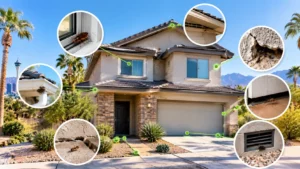
- Seal Entry Points: Check doors, windows, walls, and pipes for cracks and gaps. Seal the openings you find.
- Store food properly: Keep food in sealed containers and promptly clean up spills and crumbs.
- Manage Your Trash: Keep garbage cans covered and take out the trash regularly to prevent pests.
- Maintain Your Yard: Remove standing water from yards, patios, and tree branches that touch or grow close to your home.
- Keep the Area Clean: Regularly clean kitchens, floors, and other areas where food or crumbs may collect.
Get Professional Cockroach Control in Las Vegas
Contact a professional cockroach control service if roaches keep showing up after treatment, or if you see droppings or egg cases in more than one spot and DIY products are not effective. This can mean a serious infestation.
If you live in Las Vegas, consider getting your home inspected once a year. A technician can spot early signs, like moisture issues or entry points, before they turn into a full infestation.
EnviroGuard has been treating homes across Las Vegas and the surrounding area since 2006, so our Nevada-licensed and insured team knows what pests turn up here and where they hide. Book a free pest inspection today, and we’ll tell you exactly what’s going on, whether it needs treatment or not.