Cockroaches, ants, spiders, crickets, and other desert pests often return within days or weeks, despite using sticky glue traps, sealing entry points, and maintaining the yard. This often happens because eliminating visible pests doesn’t mean the entire infestation is gone, as hidden colonies, eggs, and entry points can allow pests to survive and multiply.
Additionally, some pests develop resistance to certain chemicals, making repeated applications less effective. To prevent infestations from returning, Las Vegas homeowners need to identify the pest, understand where it hides, and address the underlying conditions that attract or allow pests into the property.
Why Pest Problems Can Be Persistent in Las Vegas
Las Vegas is located in southeastern Nevada, in the middle of the Mojave Desert. Its hot summers, low rainfall, and seasonal monsoon storms can make pest control challenging for homeowners. These weather conditions affect where insects find moisture, food, and shelter, while landscaping and irrigation around the home make the problem worse.
During summer, temperatures can reach approximately 100–110°F (38–43°C), which push cockroaches, spiders, and other pests toward cooler, shaded areas in search of food, water and shelter. At the same time, leaking irrigation lines, broken sprinklers, and overwatering can create damp areas that attract moisture-seeking pests such as cockroaches, ants, crickets, and silverfish.
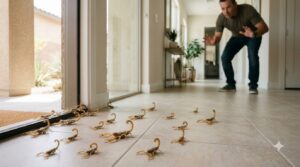
Landscape choices can also contribute to pest activity around the property. Decorative rocks, mulch, dense shrubs, and accumulated debris give scorpions, spiders, and other insects places to hide. Seasonal monsoon storms, especially in July and August, bring temporary increases in outdoor moisture. This can change pest activity and sometimes lead to more unwanted creatures around homes.
Why DIY Pest Control Often Fails
Have a look at the common DIY pest control problems that lead to recurring infestations:
1 Treating Visible Pests Instead of Hidden Infestations
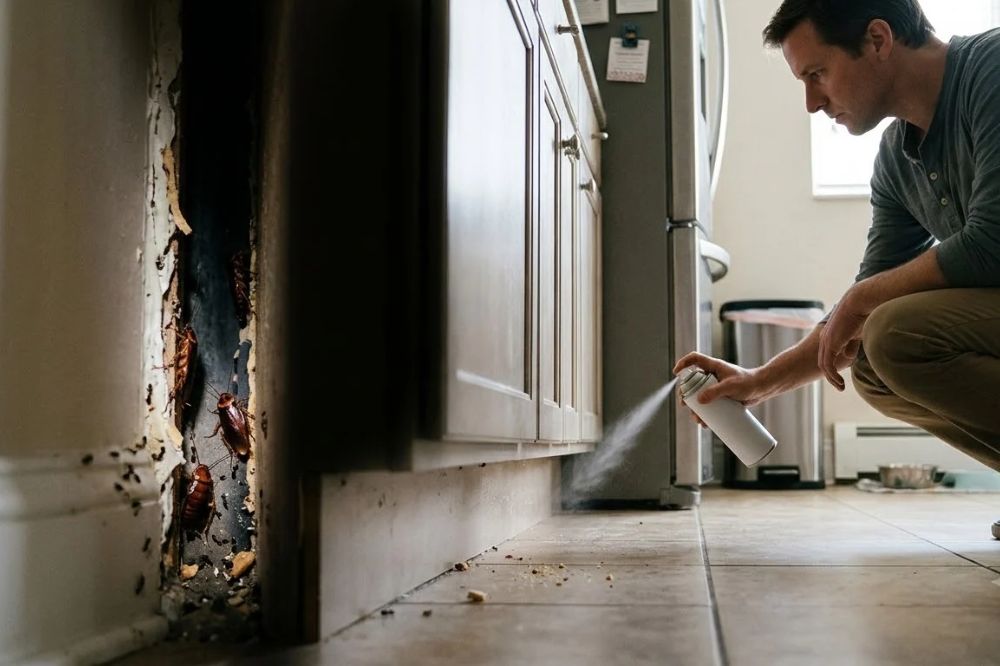
Most DIY products focus only on visible insects that cross open floors or counters. Those visible individuals are often only a fraction of the population. Ants you see in the kitchen may just come from a larger colony nearby.
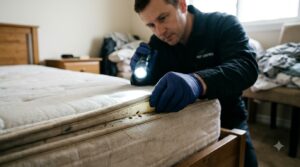
Cockroaches often hide behind appliances, inside wall gaps, and near plumbing, while bed bugs hide in mattresses and furniture. Spraying the ones you see may help you temporarily, but it won’t solve the problem unless their hiding spots are treated too.
2 Missing Entry Points, Eggs, and Breeding Areas
Some pests may still be around after the first treatment because the treatment may not reach every hiding spot or affect them at every stage of their life cycle.
Bed bugs, for instance, can hide in tiny cracks and crevices, while their eggs may survive if the treatment doesn’t reach them. Ant problems can return too, especially when the main colony is still active. Rodents are a little different. Getting rid of a mouse or rat doesn’t solve the problem if there are still gaps or openings that allow others to enter.
Plus, they can also spread between apartments through shared walls, plumbing gaps, utility openings, and common areas. This means treating one apartment may not be enough if pests are still coming from a neighbouring unit.
3 Incorrect Products and Treatment Timing
DIY pest control mistakes often happen when homeowners choose the wrong pesticide or apply treatments at the wrong time. In Las Vegas, the right treatment depends on the pest biology, hiding behavior, and development stage, the time of year, and the desert climate. For example:
| Pest | DIY Mistake | Better Approach | Treatment Timing |
| Ants | Using general insect spray | Apply suitable ant bait | Spring–summer |
| Scorpions | Using the wrong pesticide | Use targeted control and seal entry points | Spring–fall |
| Cockroaches | Spraying visible insects only | Use targeted baits | Year-round |
| Spiders | Ignoring entry points | Remove webs and seal gaps | Spring–summer |
Repeatedly switching sprays or applying larger quantities is not a reliable solution. It can create unnecessary exposure without addressing the infestation.
The EPA’s pesticide safety guidance recommends following product labels, using only approved applications, and not exceeding the stated amount.
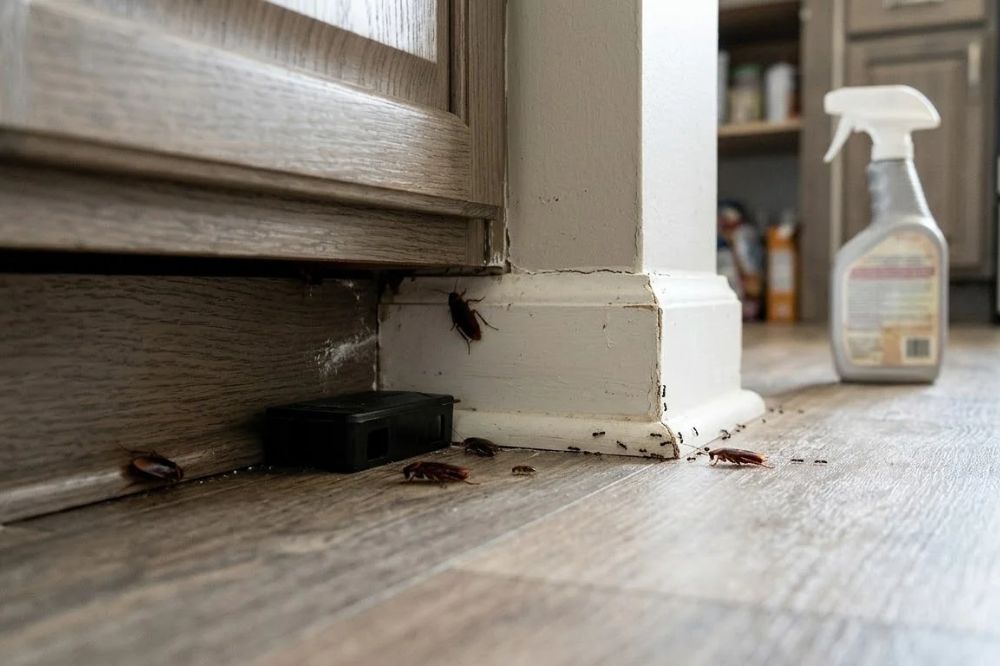
How to Stop Pests from Returning
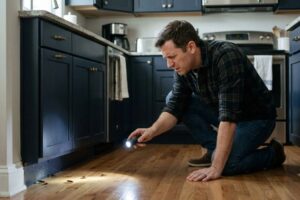
Check your property for pests, both inside and outside. In Las Vegas, look for gaps, holes around pipes and utility lines, and damaged window screens. Inside, check kitchens, bathrooms, garages, and areas behind appliances. Keep a record of where and when you see pests, and take photos to identify pest activity and spot patterns over time.
Next, before choosing a treatment, try to find which type of pest you are dealing with. Ant trails may lead to food, not always to their nest. Cockroaches found near sinks or appliances may point to hiding spots and damp areas nearby. Scorpions can get inside through gaps under doors, cracks in the foundation, and openings around pipes.
Make your home less attractive to pests by storing food in sealed containers, fixing plumbing and irrigation leaks, cleaning behind appliances, and keeping trash properly contained. Outside, trim dense vegetation, clear accumulated debris, and avoid letting plants or mulch build up against exterior walls.
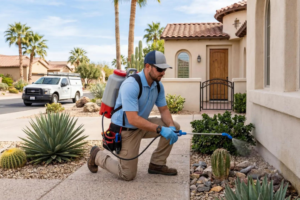
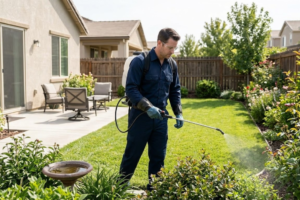
If you decide to use pesticides, read the product label carefully. Avoid using multiple pest control products or mixing chemicals unless their labels confirm it is safe. Follow all label instructions carefully for ventilation, food-contact surfaces, safety gear, and re-entry times.
If you rent your home, keep a record of any pest you see with the date, location, and photograph. Share this information with your property managers so they can investigate. Treating one apartment without addressing the source can allow the problem to return.
When to Call a Pest Control Expert
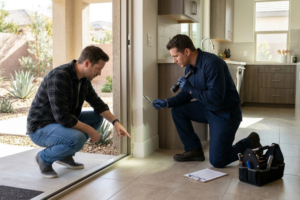
Arrange a professional pest inspection when:
- Using pesticides may be unsafe for children, pets, or family members.
- Insects spread into other rooms or appear in multiple units.
- You need help treating hard-to-reach areas.
- If pests repeatedly return even after treatment.
Get to the Root of Your Pest Problem
If pests returning after treatments, it doesn’t mean you always need a stronger pesticide. The problem could be hidden colonies, surviving life stages, hidden entry points, and pest activity from neighboring properties, which can all contribute to recurring infestations. Long-term control may require a professional residential pest control treatment that addresses the source of the problem.
EnviroGuard can help. We are a locally owned pest control company in Las Vegas, offering free professional pest inspections for homes and businesses since 2006. Our pest exterminator team helps identify pest activity, potential entry points, and areas that may need attention before recommending the next treatment.
Schedule your free professional pest inspection today!