“Why pay someone to do it when I can do it myself?”
This is the first thought comes to the mind when you spot a few ants in the kitchen, a cockroach in the garage, or spiders around the windows. With pest sprays, traps, and endless DIY videos available, handling the problem yourself looks quicker and cheaper.
But pest control is not always that simple. The pests you see may only be a small part of the problem. You could kill a few insects without finding the nest, entry point, or condition that is attracting them in the first place.
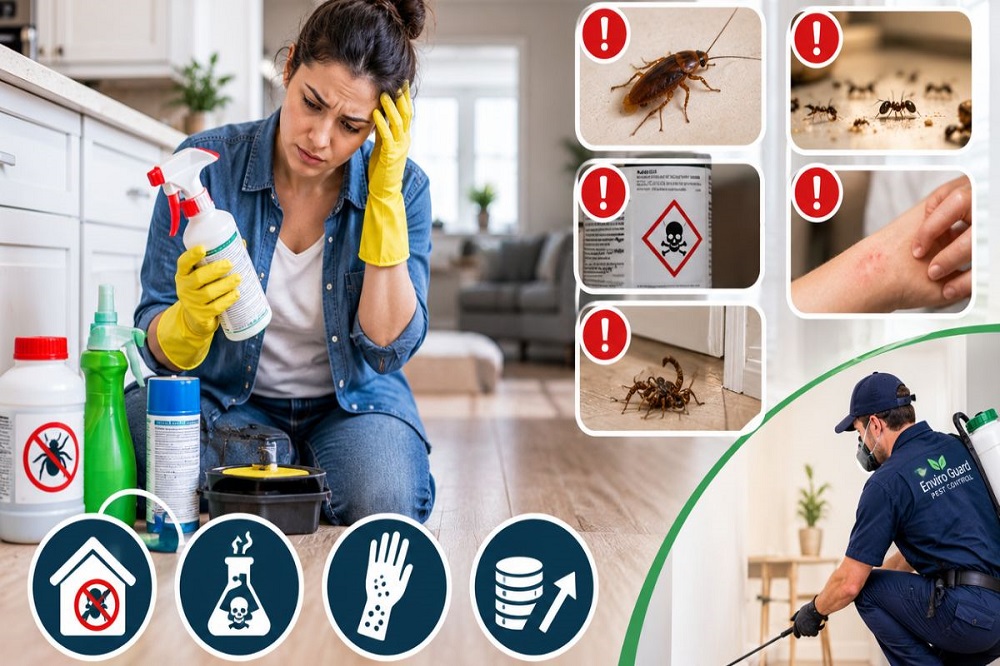
That is where DIY can become risky. The wrong product or treatment may waste your money and allow the problem to grow. The EPA specifically explains that using the wrong product, applying too much, or using a pesticide in the wrong place can create unnecessary risks for people and pets in the home.
Knowing when a simple DIY fix is enough, and when the problem needs professional attention, can save you a lot of trouble later.
Why Do Homeowners Try DIY Pest Control?
DIY pest control has become a common first step for homeowners. Store shelves are full of ready-to-use products, and online advice makes it easy to find a solution within minutes.
For many people, the choice comes down to three simple things:
- It can save money: A spray or trap may seem cheaper than hiring a professional.
- It is quick: You can buy a product and deal with the problem right away.
- It feels easy: Online vi deos and guides make pest control look like something anyone can do.
But there is one important thing to remember: the pests you see may not be the whole problem. A few ants, roaches, or spiders could be a sign of pests hiding somewhere you cannot see.
What Are the Biggest Problems With DIY Pest Control?
DIY treatment can work for some minor issues, but there are several problems with DIY pest control when you are dealing with an active infestation.
1 You May Treat the Wrong Pest
The first step in pest control is knowing what you are dealing with.
Different pests have different habits, hiding places, and treatment needs. A product that works for ants may not be the right choice for cockroaches. A general insect spray may kill a spider you see but do little to address why spiders keep appearing around your home.
It is easy to look at a pest and think you know what it is, but some insects can look very similar. If you choose a treatment without properly identifying the pest, you may spend money on a product that does not solve the problem.
2 You May Only Kill the Pests You Can See
This is one of the most common issues with DIY pest control.
You see ants walking across the counter and spray them. You see a cockroach under the sink and kill it. The visible pests are gone, so it feels like the problem has been handled.
But what about the ones you cannot see?
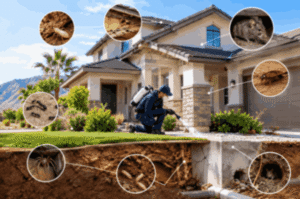
Ants may have a nest nearby. Cockroaches can hide in cracks, cabinets, appliances, and other dark areas. Rodents can enter through small openings and remain hidden for long periods. Getting rid of the pests you see does not always mean you have removed the source.
3 Using Too Much Pesticide Can Create Unnecessary Risks
It is easy to assume that using more product will produce better results. It will not.
Pesticides should be used according to the directions on the label. Applying more than recommended can increase unnecessary exposure without fixing the underlying pest problem. Extra care is needed when using products around children, pets, food preparation areas, and places where people spend a lot of time.
Never mix pest control products unless the label specifically says they can be mixed. Also, do not use a product for a purpose or location that is not listed on its label.
If you are unsure how to use a product safely, it is better to get advice than guess. The National Pesticide Information Center (NPIC) notes that using more pesticide than the label recommends may waste money and can harm people, pets, or the environment.
4 You May Miss How Pests Are Getting Inside
Killing pests is only one part of controlling them. You also need to think about why they are getting into your home in the first place.
A small gap around a door or window may provide an easy entry point. Cracks around pipes can give insects access to walls or other parts of the house. Moisture from a leak can attract pests, while food crumbs or an uncovered trash can give them an easy food source. Outdoor conditions matter too. Clutter, standing water, vegetation, and other areas around the property can provide places for pests to hide.
If these conditions are not addressed, pests may continue to come back even after treatment.
5 DIY Treatment Can Waste Time and Money
DIY pest control may seem like the cheaper option, but repeated treatments can add up.
You buy one product. It does not work. Then you try another one. You may change sprays, add traps, or try a different method. Weeks can pass while the problem continues in the background.
Meanwhile, the infestation may be growing. The highest cost is not always the products themselves. It can also be the time spent trying different solutions without knowing what is actually causing the problem.
Why Is DIY Pest Control Especially Important to Consider in Las Vegas?
Las Vegas has a hot and dry climate, and this can affect where pests look for food, water, and shelter.
When outdoor conditions are harsh, your home can provide a more comfortable place for pests to stay. Small gaps around doors, windows, plumbing, and other parts of the property can give them a way inside. Water can also be an important factor. Leaking pipes, standing water, damp areas, or other moisture sources may attract certain pests.
This is why DIY pest control Las Vegas is about more than just using a spray. Check your home for food and water sources, seal gaps and cracks, and keep outdoor areas clean. These simple steps can help keep pests away.
Common DIY Pest Control Mistakes to Avoid
If you decide to handle a minor pest problem yourself, avoid these common mistakes:
- Using a product without first identifying the pest
- Applying more pesticide than the label recommends
- Treating only the pests that are visible
- Ignoring cracks, gaps, and other entry points
- Forgetting to check outdoor areas
- Leaving food, pet food, or water sources available
- Using several products without checking their instructions
- Assuming one treatment will solve a long-term infestation
- Skipping the product instructions
These mistakes may seem small, but they can make a pest problem harder to manage.
Are There Times When DIY Pest Control Makes Sense?
Yes. Not every pest sighting requires professional treatment.
As said above, if you notice a few ants in your kitchen, for example, you can start by cleaning up food spills, storing food properly, and checking for gaps where they may be getting inside.
You can also remove standing water, keep trash covered, reduce clutter, and keep outdoor areas clean. Sealing small gaps around doors and windows can also help. These are useful steps for preventing pests and dealing with minor problems.
The important thing is to understand the difference between prevention and treating an established infestation. If pests continue to appear despite your efforts, simply adding more products may not be the answer.
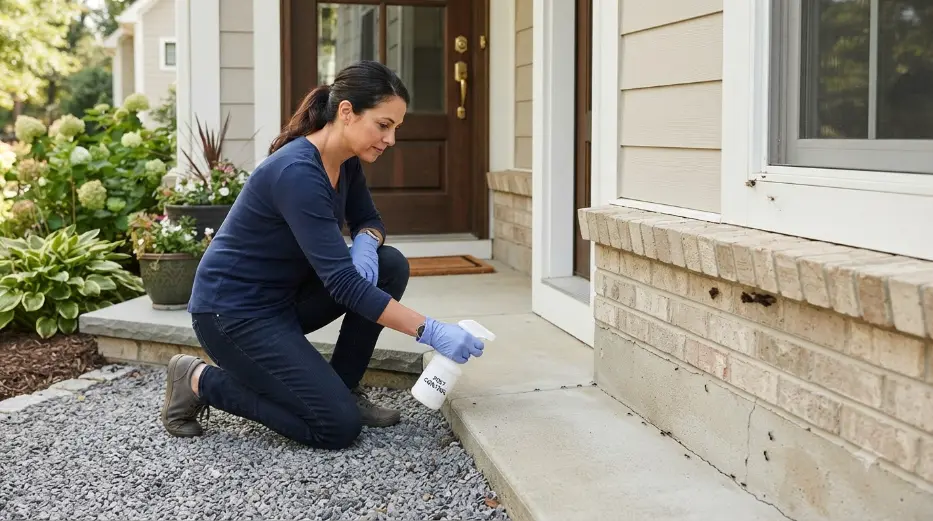
When Should You Stop DIY Treatment?
It can be difficult to know when a pest problem has gone beyond what you can handle yourself. Look for signs that it may be time to get professional help:
- Pests keep coming back after treatment.
- You are seeing pests in several rooms.
- You find droppings, nests, or egg cases.
- You notice signs that pests are breeding.
- The number of pests seems to be increasing.
- You cannot find where they are entering.
- Store-bought products are not producing results.
- You are unsure how to treat the problem safely.
You do not necessarily have to wait until you have a major infestation. If the same problem keeps returning, finding the cause early may save you time and trouble later.
What Can Professional Pest Control Do Differently?
Professional pest control starts with understanding the problem.
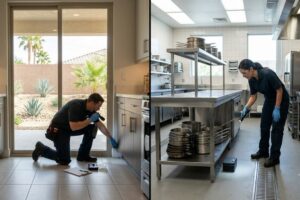
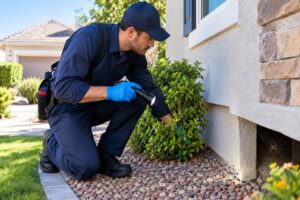
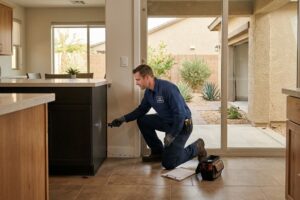
Instead of treating the first pest that is spotted, a professional can inspect the property and look for signs of activity. This may include checking likely hiding places, entry points, food sources, moisture, and other conditions that could be attracting pests.
The process may involve:
- Identifying the pest.
- Inspecting the property.
- Looking for signs of activity.
- Finding possible entry points.
- Identifying conditions that may be attracting pests.
- Choosing an appropriate treatment.
Recommending steps that can help prevent the problem from returning.
This is particularly important when you need pest infestation treatment. The goal is not simply to spray the pests you can see. The treatment should address the situation as a whole.
Treat the Problem, Not Just the Pest
DIY pest control is not always the problem. The bigger issue is trying to treat an infestation without understanding where the pests are coming from or why they keep returning.
At Enviro Guard Pest Control, we can help identify the source of the issue and determine an appropriate way to address it. Our team can inspect your property, identify signs of pest activity, look for possible entry points and contributing conditions, and recommend a suitable treatment based on the problem.
Whether you are dealing with ants, cockroaches, rodents, spiders, or another common household pest, getting the right approach can help prevent the issue from becoming harder to manage. Contact us to arrange an inspection and discuss the right treatment options for your property.