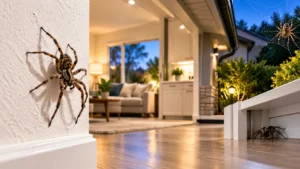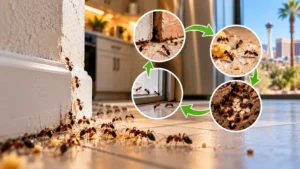
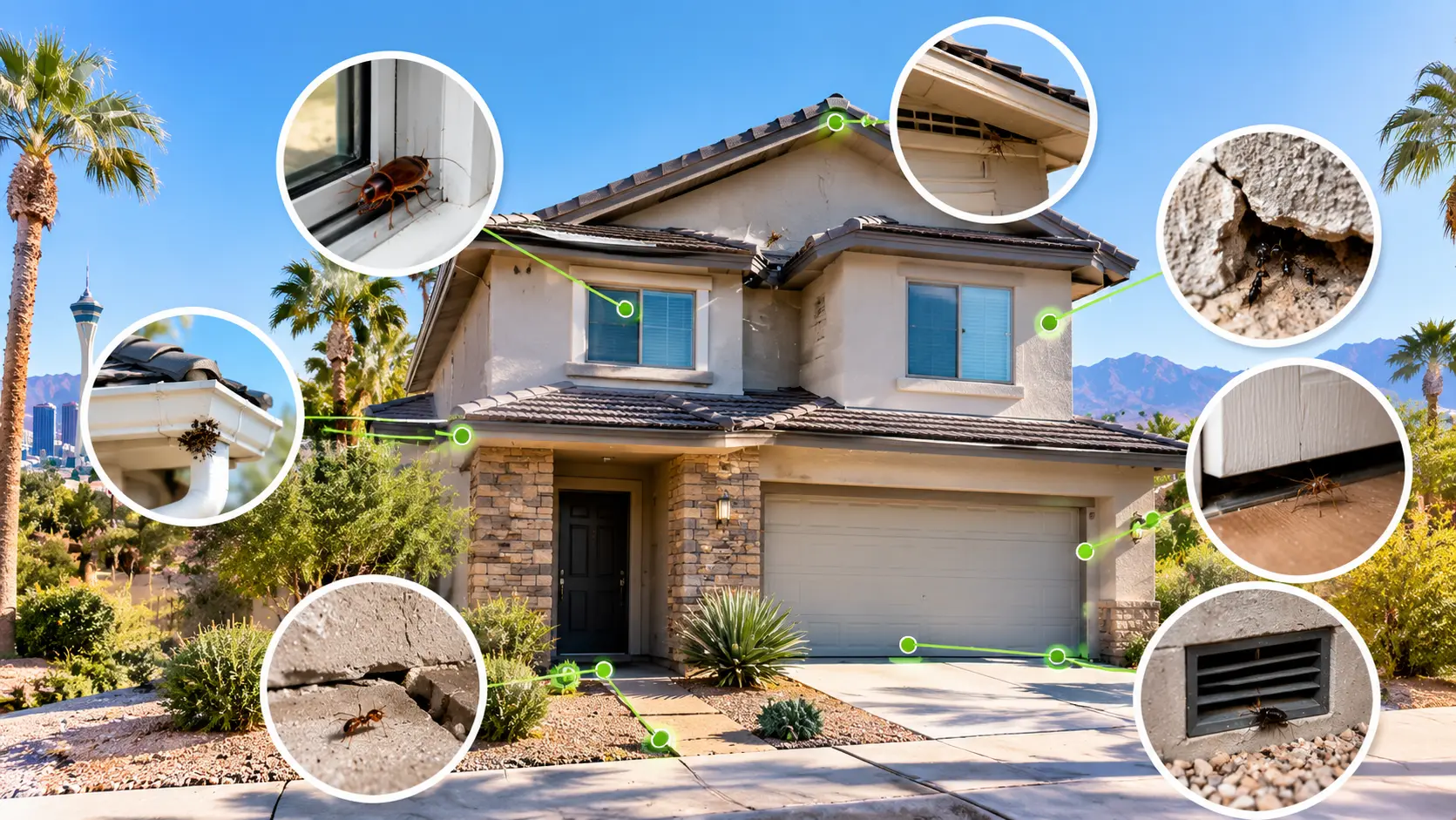
Finding pests in your home again after dealing with an infestation can be frustrating. But in Southern Nevada, the problem may not be your cleaning routine. The region’s hot, dry climate can drive scorpions, cockroaches, ants, spiders, mice, rats, crickets, and earwigs toward homes in search of water, food, and shelter.
Plus, small gaps under garage doors, cracks in foundations, spaces around exterior doors, and openings around pipes can provide entry points for insects without homeowners realising it.
Identifying and sealing these common entry points can help keep pests out and reduce the risk of infestation.
In this guide, we’ll cover the common pest entry points around garages, doors, and foundations, and when to call a professional for a pest inspection.
Where Do Pests Usually Enter a Home?
1 Garage Door Gaps and Worn Weather Seals
Your garage door is one of the largest access points to your home and is opened frequently.
Pay attention to the bottom door seal, bottom corners, side weatherstripping, door tracks and frame, and utility and storage areas inside the garage. When you open the garage door, mice, ants, spiders, and cockroaches may enter in search of food, shelter, or nesting sites.
Even when the door looks closed, worn rubber seals or uneven contact with the concrete can leave enough space for insects and rodents to enter.
Cardboard boxes can provide hiding places for cockroaches and crickets, while the insects and other small arthropods around a garage may attract predators such as scorpions and spiders.
What to do
- Replace damaged bottom seals and side weatherstripping.
- Seal irregular gaps around the frame with a suitable exterior-grade sealant.
- If the door does not sit evenly against the floor, have a garage door professional check its alignment.
- Avoid adjusting the spring mechanism yourself.
- During daylight, inspect the closed garage door from inside with the garage lights off.
- Look for sunlight around the bottom corners and edges, then replace worn seals or arrange for the door to be adjusted if it does not sit evenly.
2 Gaps Under Exterior Doors and Around Door Frames
Front and back doors, along with the door connecting the garage to the house, can let pests inside if they are not properly sealed.
Every time a door opens, insects and other pests can slip indoors. Gaps around a closed door give them an easy way in. Check the weatherstripping, door sweeps, screens, corners, and frames for damage or openings. Porch lights can attract insects at night, while nearby plants, stored items, and damp areas can give pests places to hide near the entrance.
What to do
- Check the door frame, the threshold, and the wall next to the door for cracks and gaps.
- Replace damaged weatherstripping and torn window screens.
- Install a door sweep that fits properly to block gaps beneath the door.
- Ensure the door closes properly and that the door sweep fits snugly against the threshold.
- Seal gaps around fixed door frames with exterior caulk.
- Keep hinges, tracks, and moving parts free from sealant to ensure smooth operation.
- If ants keep showing up near a doorway, wipe up any food residue and follow their trail to locate the entry point.
Tip: Try the credit card test. Slide a card under each exterior door. Check for visible gaps beneath exterior doors and install a properly fitted door sweep. Even tiny gaps can allow certain pests to enter.
A local pest specialist told KTNV that scorpions can enter homes through gaps as narrow as 1/16 of an inch, approximately the thickness of a sheet of paper.
3 Foundation Cracks and Gaps Around Pipes and Utility Lines
Small gaps and cracks can develop in foundations and exterior walls due to changes in temperature, moisture, and building materials. Openings may also occur around pipes, electrical cables, air-conditioning lines, and other utility connections.
Regularly inspect foundation joints, gaps around pipes and cables, openings in garage walls, and cracks near ground level. Smaller gaps can also let ants, cockroaches, spiders, and other insects inside.
Mice are especially worth watching because they can fit through holes as small as ¼ inch wide, according to the CDC’s rodent guidance.
What to do
- Seal foundation cracks with exterior-grade masonry sealant, and seal gaps around pipes and cables with compatible exterior-grade sealant.
- Keep drainage holes and ventilation openings unobstructed to allow proper drainage and airflow.
- Use rodent-resistant materials, such as metal mesh combined with sealant, where needed.
- Preventive measures can help reduce pest activity, but established infestations may require professional treatment.
- Look for droppings, gnaw marks, and repeated pest activity near gaps.
How to Seal Pest Entry Points and Keep Pests Out
Sealing gaps is only part of pest prevention. In Las Vegas, also check for leaking irrigation lines, accessible trash, pet food, standing water, and clutter near exterior walls.
- Inspect the property: Identify cracks, holes, gaps around pipes, doors, windows, vents, and foundations where pests can enter.
- Identify the pest: Find which pest species is causing the problem so you can decide how to seal pest entry points.
- Clean the affected areas: Remove dust, debris, nesting materials, and old, damaged sealant before making repairs to seal effectively.
- Seal entry points: Use appropriate caulk, weatherstripping, metal mesh, or masonry repair materials to close gaps and cracks.
- Repair damaged screens and doors: Replace torn window screens, install door sweeps, and repair damaged frames to block potential entry points.
- Remove food and water sources: Store food in sealed containers, dispose of trash properly, fix leaks, and eliminate standing water.
- Reduce hiding places: Remove unnecessary items, keep plants and grass around the building well maintained, and ensure storage areas remain clean and organised. This will help reduce pest hiding places and prevent infestations.
- Treat existing infestations: Use customised pest-control methods to target the specific pests or seek professional residential pest inspection assistance for persistent activity, rodent nesting, or suspected termite damage.
- Monitor repaired areas: Regularly check for fresh droppings, gnaw marks, damaged seals, and other signs of pest activity.
- Schedule regular inspections: Inspect the property periodically and repair new gaps promptly to help prevent future infestations.
Note: The U.S. Environmental Protection Agency recommends a combined pest management approach that includes routine inspections, proper sanitation, building maintenance, pest monitoring, and customised treatments. Sealing openings works best when these measures are used together.
Will Sealing Gaps Get Rid of an Existing Pest Infestation?
Sealing keeps new pests out, but it won’t remove scorpions, ants, spiders, or other pests already hiding inside your home. It also won’t fix conditions that attract pests, such as leaking pipes, standing water, food crumbs, pet food, or clutter.
If pests continue to appear after visible gaps have been sealed, they may be nesting in walls, the attic, or the garage, or entering through hidden openings.
When to Get Professional Help With Pest Entry Points
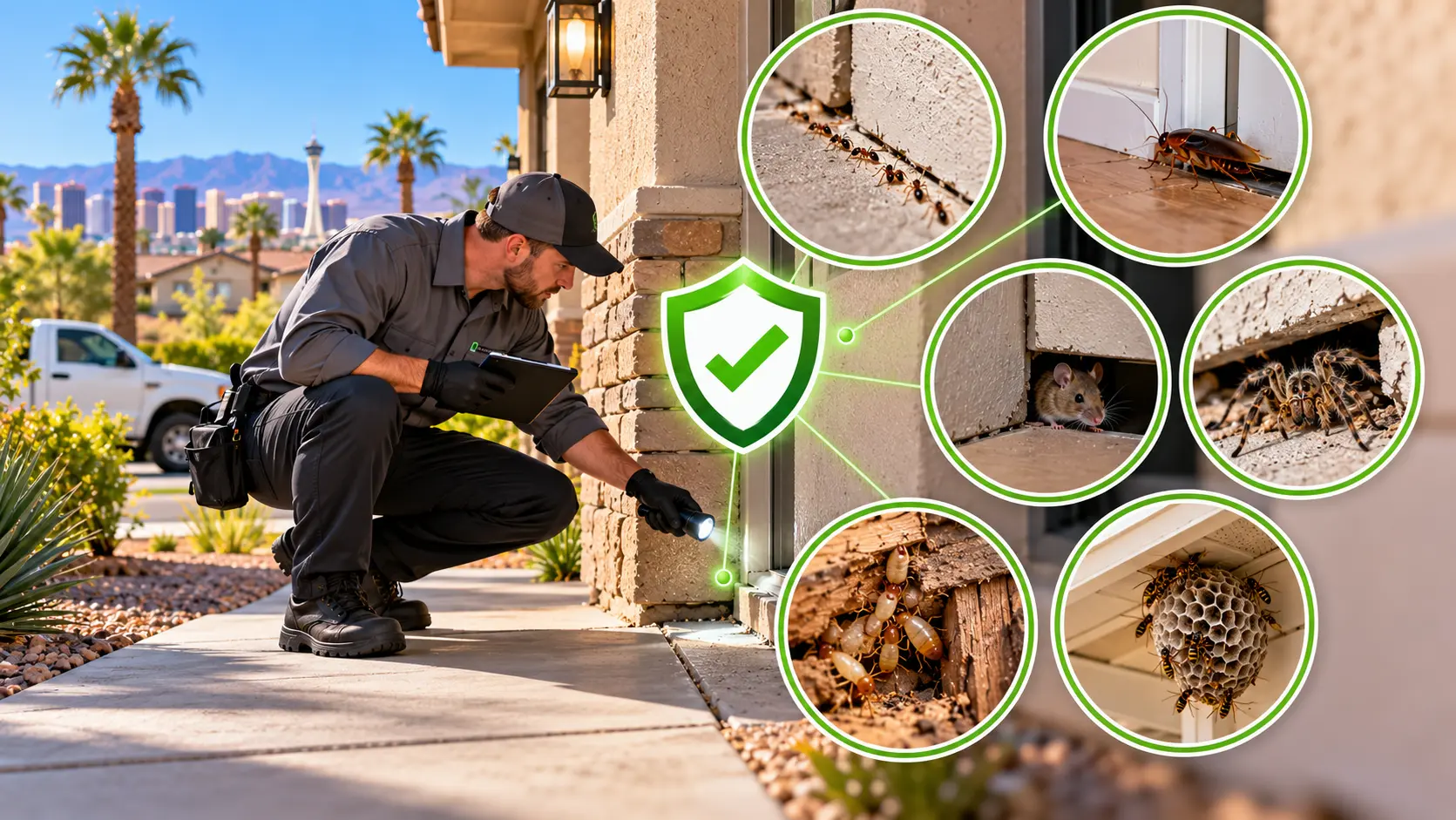
DIY sealing and routine maintenance can help reduce pest access, but recurring sightings may indicate hidden entry points or an established infestation.
Consider a professional inspection if you continue to find scorpions, roaches, ants, or rodents after sealing visible gaps, or if you notice droppings, gnaw marks, or repeated activity around the garage and foundation.
Enviro Guard Pest Control provides residential pest inspections in Las Vegas. Its team can assess visible entry points, identify conditions contributing to pest activity, and recommend appropriate prevention or treatment options.
If pests keep returning, schedule a free pest inspection to help identify the problem and determine the next steps.
Protect Your Las Vegas Home With Professional Pest Prevention
Pest problems often begin with something you rarely notice. It may be a worn garage seal, a gap beneath a door, or an opening around a utility pipe. Finding and repairing these weak spots can reduce pest access before the problem becomes harder to manage.
But if you are seeing repeated pest activity around your garage, doors, or foundation, Enviro Guard Pest Control can help you with customised treatment. Book your free pest inspection in Las Vegas.