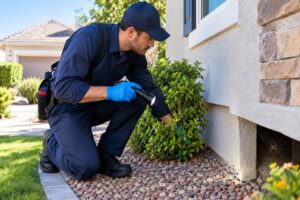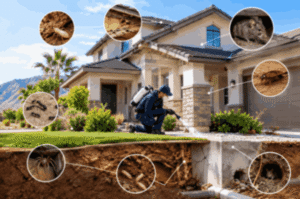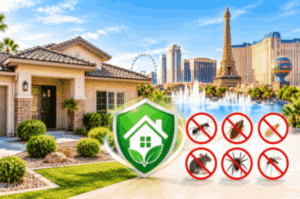
Household pests pose health hazards through contamination, allergens, bites, and stings. When we inspect homes in Las Vegas, we find evidence of pests that are associated with areas like kitchens, garages, storage areas, and places of water intrusion. In this guide, we’ll discuss health hazard pests, what our technicians see during an inspection, and how residential pest control can help.
Which Household Pests Create Health Risks?
Different pests create different problems inside homes. The level of risk depends on the pest involved, where it is active, and the conditions allowing it to stay.
The pests we commonly find during residential inspections include:
- Cockroaches
- Rodents
- Mosquitoes
- Bed bugs
- Scorpions
- Bees and wasps
The impact on homes will be varied since some of these insects will cause allergies or contamination, whereas others will pose problems due to their bites or stings.
The EPA identifies pests as public health concerns because they are linked with issues such as disease transmission, allergens, and bites or stings.
Cockroaches and Indoor Allergens
Cockroaches are one of the most common pests found inside homes. Their droppings, shed skin, and other debris contribute to indoor allergens.
During inspections, our technicians often find cockroach activity in:
- Kitchen cabinets
- Areas behind appliances
- Under sinks
- Bathrooms
- Food storage spaces
Cockroaches generally reside in tiny, dark places. It is common for people to spot them at night, although their activity begins in concealed spots.
We look for signs such as droppings, egg cases, and hiding spots to understand where cockroaches are entering and what conditions are helping them remain active.
Rodents and Household Contamination
Rodents create problems by leaving behind droppings, urine, nesting material, and damaged food packaging.
During home inspections, we commonly check areas such as:
- Garages
- Attics
- Storage spaces
- Utility openings
- Areas near food sources
Rodents usually find entry into buildings via openings around doors, pipes, vents, and garages. Once they get inside the building, they start looking for food, water, and shelter.
Finding the entry point is a key part of understanding a rodent problem. Treating the visible signs without addressing how rodents enter often leaves the main issue unresolved.
Mosquitoes and Outdoor Exposure
Mosquito activity begins at the outer edges of the property. This includes pools, sprinkler systems, planters, and standing water that serve as mosquito habitats.
During inspections, we pay attention to:
- Pool areas
- Yard drainage
- Irrigation lines
- Outdoor containers
- Shaded areas near the home
Unlike many indoor pests, mosquitoes are often connected to outdoor conditions around a property. Small changes in the yard can create areas where mosquito activity increases.
Bed Bugs and Sleep Disruption
Bed bugs affect homes differently from many other pests because they stay close to areas where people rest.
Our technicians inspect places such as:
- Mattress seams
- Bed frames
- Furniture
- Baseboards
- Cracks near sleeping areas
Bed bugs do not indicate dirty premises. They are likely to get into your house through your suitcases, second-hand furniture, and physical contact with infested objects.
The main problems that people encounter are bites, itching, and disrupted sleep. Early detection is vital to prevent the spread of bed bugs.
Scorpions and Sting Risks
Scorpions create a different type of health concern because their main risk comes from stings.
During inspections, we often find scorpions hiding in areas such as:
- Garages
- Block walls
- Storage spaces
- Rock landscaping
- Gaps around doors and walls
Scorpions prefer dark, sheltered areas to evade detection. Homes located near desert landscaping, open spaces, and yards with ample hiding spots often necessitate a closer inspection of entry points and outdoor areas.
Our technicians focus on finding where scorpions are entering and which areas around the property support their activity.
Bees and Wasps Around Homes
Bees and wasps create health concerns because their stings affect people differently. Nests near doors, patios, walls, and outdoor living areas increase the chance of close contact.
During inspections, we look for:
- Active nests
- Entry points around structures
- Areas with regular insect activity
- Locations where people and pets spend time outdoors
Removing the nest location is only one part of addressing the problem. Understanding why the insects are using a specific area helps reduce future activity around the property.
What Our Technicians Find During Home Inspections
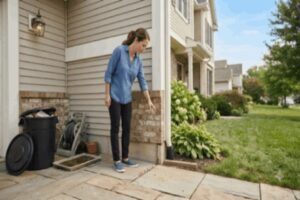
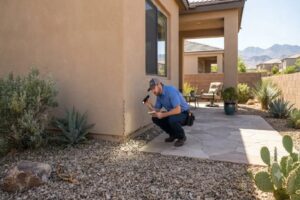
Pest-related health concerns often start with conditions around the property. During our inspections, we look beyond the pest itself to find what is attracting or allowing activity.
Some common conditions we find include:
1 Entry Points Around the Home
Small gaps around doors, windows, pipes, vents, and utility lines give pests access indoors.
2 Moisture Sources
Leaking pipes, irrigation issues, and damp areas create conditions that attract certain pests.
3 Food and Water Access
Open food containers, pet food, crumbs, and trash areas provide easy access to resources pests need.
4 Outdoor Conditions
Landscaping close to the home, storage items, block walls, and cluttered areas create hiding places.
Nevada’s Category K Public Health Pest Control guidelines outline the role of trained pest professionals in identifying and managing pests connected with public health concerns.
If you notice signs of pest activity, we help identify where pests are active, how they are entering, and which conditions need attention.
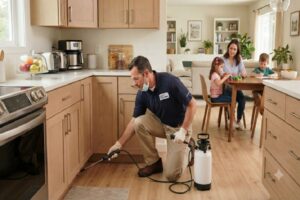
Are Pest Treatments Safe Around Children and Pets?
Many families have questions about pest treatments when children, babies, or pets live in the home.
Before treatment, our technicians explain preparation steps and provide guidance based on the service being performed. Following these instructions helps homeowners prepare their space and return safely after treatment.
If you have a baby at home, read our guide regarding it for more information about post-treatment steps.
When Should You Schedule a Pest Inspection?
Waiting until pest activity becomes noticeable in multiple areas often makes the problem harder to manage. Early inspection helps identify where activity starts and what conditions support it.
Signs that deserve attention include:
- Seeing the same pest more than once
- Finding droppings or nesting material
- Noticing damage to food packaging
- Hearing activity in walls or ceilings
- Finding pests in kitchens, bedrooms, or storage areas
During inspections, our technicians look for hiding places, entrance areas, and surrounding conditions of the property to get a complete understanding of the situation.
Protect Your Home From Household Pest Risks
Household pests not only impact the comfort of living but also pose many problems with allergies, contamination, bites, and stings. Recognizing the symptoms allows homeowners to act before infestations occur.
Enviro Guard Pest Control inspects homes to identify pest activity, entry points, and conditions supporting infestations before recommending treatment.
Schedule your free pest inspection today or call us at 702-569-2849 to speak with our team about your pest concerns.