It’s late. You flip on the garage light, and there it is – a scorpion sitting on the concrete, barely moving, like it has been there all day.
The first thought most people have is, “Why is this in my house?” That is a fair question. But the answer usually has less to do with your home and more to do with what is around it.
Hunting is what scorpions do. They are drawn to sites where they may find insects to eat, places to hide during the day, and environments that support their survival. If one scorpion is removed, the issue could be resolved right away, but if the circumstances that attract them persist, additional activity may eventually emerge.
In Southern Nevada, warm temperatures, desert landscaping, irrigation systems, and outdoor lighting can increase insect activity around properties. Those insects become food sources that may keep scorpions nearby. Understanding scorpion food sources is one of the first steps in reducing the conditions that attract them.
What Do Scorpions Eat?
Scorpions are predators that feed on insects and other small arthropods. They do not enter homes because of crumbs, food waste, or household items. Instead, they follow the insects already living around a property.
Common scorpion food sources include:
- Crickets
- Cockroaches
- Spiders
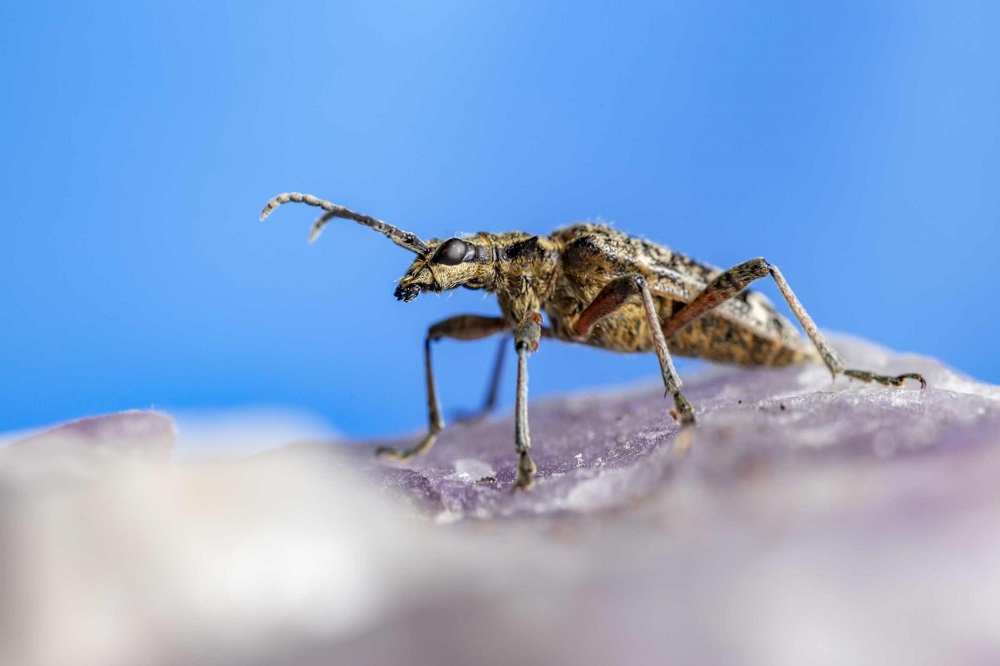
- Beetles
- Grasshoppers
- Other small insects
Crickets are one of the most common prey insects connected to scorpion activity in Southern Nevada. Properties with ongoing cricket, cockroach, or spider problems may provide an easier hunting area for scorpions.
During inspections, our technicians frequently see the same pattern: scorpion sightings are typically associated with places where insects are already busy. Block walls, garages, landscaping borders, and outdoor storage spaces are typical places.
Food is only one part of the problem. Scorpions also need places to hide and conditions that allow their prey insects to survive.
Why Are Scorpions Attracted to Your Property?
Scorpions are naturally adapted to desert environments, which is why they are common throughout Southern Nevada. However, some properties provide better conditions for them than others.
Scorpions typically look for:
- Food
- Shelter
- Moisture
When these factors overlap, a property can become a suitable place for scorpion activity.
Southern Nevada is home to several scorpion species, including bark scorpions, which are known for hiding around structures, block walls, and landscaped areas.
1 Too Many Insects
A property with high insect activity can create a reliable food supply for scorpions.
Signs that insects may be supporting scorpion activity include:
- Crickets around outdoor areas
- Spider webs near doors and windows
- Cockroach activity in damp areas
- Insects gathering near outdoor lights
- Increased pest activity around landscaping
During inspections, technicians often find that a scorpion problem is connected to another pest issue. The scorpion may be a visible sign that other insects are nearby.
2 Easy Places to Hide
Scorpions spend the daytime hours hiding and become more active at night. They prefer dark, protected areas where they can avoid heat and predators.
Common hiding locations include:
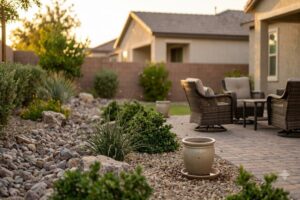
- Rock landscaping
- Wood piles
- Block walls
- Yard debris
- Garage corners
- Outdoor storage areas
These same locations can also provide shelter for insects, creating both a hiding area and a nearby food source.
3 Extra Moisture Around the Property
Although scorpions are desert pests, moisture can increase insect activity. Leaking sprinkler systems, overwatered plants, and damp areas near foundations can attract insects that scorpions feed on.
Watch for:
- Leaking sprinkler heads
- Wet areas near foundations
- Overwatered landscape beds
For help identifying unknown pests found around your property, the Nevada Department of Agriculture Entomology program provides pest identification resources and related information.
Why Is Scorpion Control Such a Common Issue in Las Vegas?
Many features that make Las Vegas properties attractive including rock landscaping, outdoor lighting, irrigation systems, and decorative plants – can also increase insect activity.
Scorpion problems can occur around:
- Homes and apartments
- Restaurants
- Offices
- Warehouses
- Retail buildings
- HOA communities
Larger outside areas, storage rooms, loading areas, and frequent access points might provide extra difficulties for commercial properties.
Property owners frequently make the mistake of concentrating only on the scorpion they see. Eliminating the visible pest may provide temporary relief, but if insects and hiding spaces continue to exist, the elements that promote scorpion activity remain unaddressed.
How Do You Remove Food Sources for Scorpions?
Reducing available prey insects is one of the most practical ways to make a property less attractive to scorpions.
1 Control Other Pest Problems
Crickets, cockroaches, spiders, and other insects can provide food for scorpions. Addressing those pest problems can reduce the number of insects available as prey.
2 Maintain Landscaping Conditions
Landscaping is one of the most common areas where pest activity begins.
Helpful steps include:
- Trim plants away from walls
- Remove yard debris regularly
- Avoid overwatering
- Repair sprinkler leaks
- Keep storage areas organized
Landscaping conditions can influence insect activity around homes and businesses. For additional research-based information about landscape pest management and integrated pest management practices, visit the University of Nevada, Reno Extension.
3 Remove Outdoor Clutter
Both insects and scorpions can find refuge among outdoor litter.
Reduce concealing places by arranging or eliminating:
- Piles of wood
- Outdated containers
- The cardboard
- Waste from the garden
- Equipment not in use
4 Seal Entry Points
Scorpions may still penetrate buildings through tiny gaps even after their food sources have been reduced.
Look at places like:
- Garage door fasteners
- Foundational fissures
- Door holes
- Utility positions
- Window openings
How to Keep Scorpions Away From Homes and Businesses
Long-term scorpion prevention necessitates a number of coordinated actions. The likelihood of recurrent activity can be decreased by eliminating hiding places, blocking access points, and reducing insects.
Helpful scorpion prevention tips include:
- Keep outdoor areas clean
- Maintain regular pest control
- Manage landscaping throughout the year
- Fix moisture problems quickly
- Seal cracks and gaps
- Check storage areas regularly
For additional prevention strategies, read Enviro Guard’s guide on scorpion prevention tips.
Do Scorpions Bite or Sting People?
Scorpions sting as a defense mechanism. In Southern Nevada, many scorpion stings cause symptoms similar to a bee sting, including pain, swelling, and temporary numbness.
Some species, including bark scorpions, can cause more noticeable reactions. Children, older people, and people with specific medical conditions may be particularly susceptible.
Seek medical attention after a sting if symptoms include:
- Difficulty breathing
- Muscle twitching
- Vision problems
- Severe reactions
Keeping scorpions away from garages, entryways, and outdoor areas where children and pets spend time is an important part of prevention.
Common Scorpion Myths
Several misconceptions can make scorpion problems harder to understand.
1 “Scorpions only live in the desert.”
Not true. Scorpions are common in developed areas throughout Southern Nevada. Landscaped yards, garages, block walls, and outdoor storage areas can provide suitable shelter.
2 “If I do not see scorpions, I do not have a problem.”
Scorpions are nocturnal and spend much of the day hidden. A lack of daytime sightings does not always mean there is no activity.
3 “One spray will solve the problem.”
A single treatment may affect visible pests, but long-term prevention requires addressing food sources, hiding areas, and entry points.
Why Doesn’t DIY Scorpion Control Work Well?
Finding and removing a scorpion feels like a solution, but it does not always address the reason the pest appeared.
Store-bought treatments often do not address:
- Nearby insect activity
- Hidden scorpion harborage areas
- Entry points
- Moisture conditions
During a professional examination, specialists examine beyond the scorpion. They assess insect activity, hiding spots, and areas where scorpions may enter or remain on the premises.
Seeing scorpions repeatedly is usually a sign that the conditions supporting them need to be addressed. A free pest inspection in Las Vegas can help identify those contributing factors.
How Enviro Guard Helps With Scorpion Control in Las Vegas
At Enviro Guard Pest Control, we focus on understanding why scorpions are active around a property instead of only treating the scorpion that was found.
During inspections, our technicians check:
- Landscape edges
- Block walls
- Garages
- Entry points
- Sprinkler areas
- Outdoor storage spaces
We look for insect activity, hiding areas, and access points that may be contributing to scorpion problems. After the inspection, treatment recommendations are based on the specific conditions found at the property.
Enviro Guard provides scorpion control services for homes and businesses throughout Las Vegas, Henderson, North Las Vegas, Summerlin, Enterprise, and surrounding Southern Nevada communities.
If scorpions keep appearing around your property, an inspection can help identify what is attracting them and what steps can reduce future activity.