When pests show up at home, most people react the same way, quick fixes first. A splash of vinegar, baking soda mixtures, or DIY sprays found online. These household hacks feel easy, cheap, and immediate. But the real question is: do they actually protect your family in the long run, or just delay the problem?
To answer that, it’s important to understand the difference between temporary solutions and a structured, long-term approach like Integrated Pest Management (IPM).
The Appeal of Household Hacks
Household pest control hacks are everywhere. From social media reels to family advice, you’ll hear things like:
- Use lemon or vinegar to repel ants
- Sprinkle baking soda to kill cockroaches
- Essential oils to keep mosquitoes away
- DIY traps for rodents
These methods are popular for a reason. They’re simple, low-cost, and use ingredients already available at home. For minor or occasional pest sightings, they can sometimes help reduce the problem temporarily.
But here’s the catch: most of these hacks only treat the visible symptoms, not the root cause.
For example, spraying vinegar on ants might disrupt their trail, but it doesn’t eliminate the colony. Using essential oils might repel insects for a short time, but once the scent fades, the pests return.
So while these hacks may give a sense of control, they rarely provide reliable or long-term protection.
The Hidden Risks of DIY Pest Control
At first glance, DIY methods seem safer because they avoid “chemicals.” But that’s not always the full picture.
Some common issues with household hacks include:
- Incomplete elimination: Pests reproduce quickly. Missing even a few can restart the infestation.
- Improper mixtures: DIY solutions can be ineffective or even harmful if mixed incorrectly.
- False sense of security: You might think the problem is gone when it’s actually growing behind walls or under floors.
- Delayed action: Waiting too long with ineffective methods can make infestations worse and harder to control.
In short, DIY hacks are often reactive, not preventive.
What Is Integrated Pest Management (IPM)?
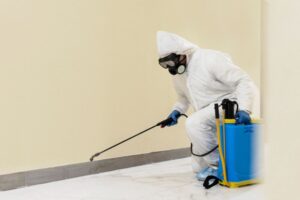
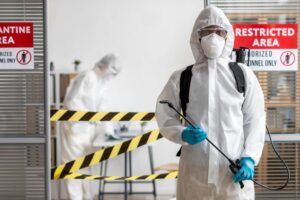
Integrated Pest Management (IPM) is a more strategic and science-based approach to pest control. Instead of relying on quick fixes, IPM focuses on long-term prevention, monitoring, and safe treatment methods.
It works through a combination of steps:
1Inspection and Identification
Professionals identify the type of pest, the severity of infestation, and the source.
2 Prevention First
This includes sealing entry points, improving sanitation, and removing conditions that attract pests.
3 Targeted Treatment
Instead of blanket spraying, treatments are applied precisely where needed.
4 Monitoring and Follow-Up
Regular checks ensure the problem is fully resolved and doesn’t return.
5 Minimal Chemical Use
Chemicals are used only when necessary and in controlled, safe amounts.
This approach doesn’t just remove pests, it creates an environment where they’re less likely to come back. To know more you can seek help from 24 hour pest control Las Vegas services.
Why IPM Is Safer for Families
One of the biggest concerns homeowners have is safety, especially for children and pets. Ironically, while DIY hacks feel safer, IPM is often the more controlled and secure option.
Here’s why:
- Professional knowledge: Experts understand pest behavior and use the safest effective methods.
- Reduced exposure: Instead of widespread spraying, treatments are localized.
- Eco-friendly focus: Many IPM strategies prioritize non-toxic and environmentally safe solutions.
- Long-term protection: Fewer repeated treatments mean less overall exposure over time.
So rather than repeatedly experimenting with home remedies, IPM provides a planned and safer solution.
Effectiveness: Short-Term vs Long-Term
Let’s compare both approaches clearly:
| Factor | Household Hacks | Integrated Pest Management |
| Speed | Quick relief | Slightly slower start |
| Cost | Low upfront | Higher upfront |
| Effectiveness | Temporary | Long-term |
| Safety | Uncertain | Controlled & tested |
| Prevention | Minimal | Strong focus |
Household hacks may win in convenience, but IPM clearly stands out in effectiveness and reliability.
When Are Household Hacks Enough?
To be fair, household solutions aren’t completely useless. They can work in certain situations:
- Very minor pest activity
- Preventive cleaning routines
- Temporary control before professional help
For example, keeping your kitchen clean, sealing food containers, and maintaining hygiene are essential and these are part of IPM too.
But once pests start multiplying or recurring, relying only on DIY methods becomes risky.
When You Should Consider IPM
You should seriously consider Integrated Pest Management if:
- Pests keep coming back despite DIY efforts
- You notice signs of infestation (droppings, nests, damage)
- There are children, elderly, or pets at home
- You want a long-term, stress-free solution
At this stage, continuing with household hacks often costs more in the long run, both financially and in terms of health risks.
Final Verdict: What Actually Protects Your Family?
If the goal is quick, temporary relief, household hacks might seem enough. But if the goal is real protection, safety, and peace of mind, Integrated Pest Management is the clear winner.
It’s not just about killing pests, it’s about understanding why they’re there and making sure they don’t return.
Think of it this way: Household hacks are like putting a bandage on a wound, while IPM is treating the root cause.
Closing Thought
Your home should be a safe and comfortable space, not a place where pests quietly grow out of control. While DIY methods may work in the moment, a structured approach like IPM ensures your family stays protected in the long run.
If you’re dealing with recurring pest issues, it might be time to move beyond quick fixes and choose a solution provided by Enviro Guard Pest Control that actually works.