Renting a property is a common choice for people who want a comfortable place to live without buying a home. Right? You find a property, sign the lease, move in, and expect everything to be in good working order. Most of the time, things go smoothly, but problems can sometimes show up after you settle in.
One problem that can quickly become frustrating is pests in a rental property. You may find ants in the kitchen, cockroaches in the bathroom, or spiders inside the home.
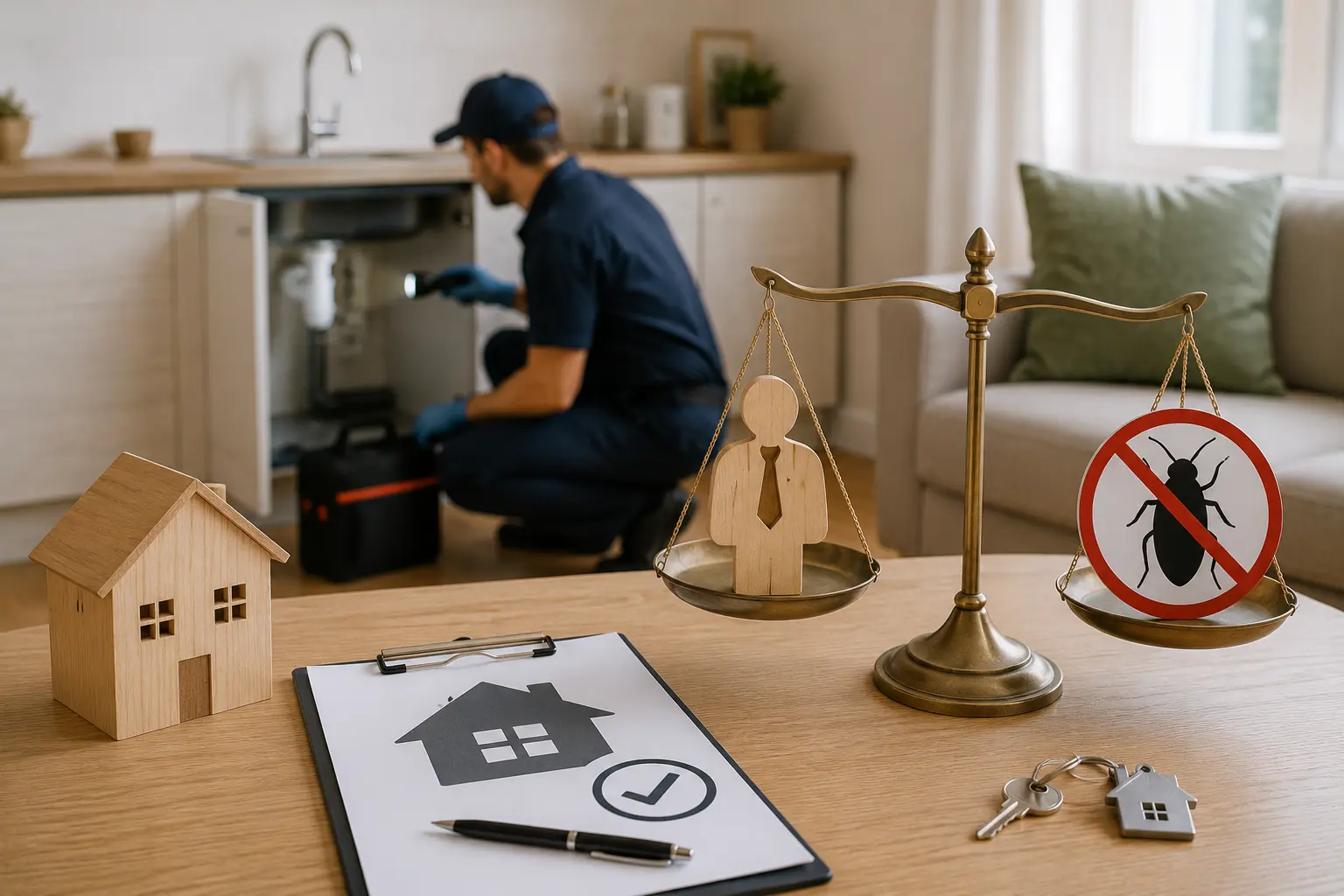
And this is where things can get a little confusing for both tenants and landlords. Who is responsible for pest control in a rental property, the tenant or the landlord? Is the landlord expected to arrange and pay for treatment, or does the tenant have to take care of it? Let’s understand when the landlord is responsible and when the tenant may need to handle it.
When Is a Landlord Responsible for Pest Control?
In many rental situations, the landlord is responsible for pest problems that were already present before the tenant moved in or are linked to a problem with the property. A landlord may be responsible when:
- Pests were already present when the tenant moved in.
- Pests are entering through gaps, holes, broken screens, or other property issues.
- Plumbing leaks or moisture problems are attracting pests.
- A problem in the building is causing pests to spread between rental units.
- The infestation is not related to the tenant’s actions.
For example, if you move into a rental home and start seeing cockroaches during the first week, the infestation may have existed before you moved in. If you have kept the home clean and there is no clear reason to believe you caused the problem, the landlord may need to arrange pest control.
When Could the Tenant Be Responsible?
Tenants are also expected to take reasonable care of their rental property. If their actions create conditions that attract or support pests, they may be responsible for arranging or paying for pest control.
A tenant may be responsible when:
- Food is regularly left uncovered or on counters.
- Not removing garbage regularly.
- Spills and food crumbs are not cleaned up.
- Poor housekeeping creates conditions that attract pests.
- A pet or personal belongings may have introduced certain pests.
For example, food scraps, overflowing bins, and standing water can give pests easy access to food and moisture. This can attract ants, cockroaches, rodents, and other Las Vegas household pests.
So, before deciding who should pay for treatment, it is important to look at what caused the infestation, the condition of the property, the lease agreement, and the local landlord-tenant laws.
Does Responsibility Depend on the Type of Pest?
Yes, it can. Different pests can enter and spread in different ways. However, the type of pest does not always decide who pays. The cause of the problem, condition of the property, lease, and local laws can all play a role.
1 Cockroaches
Cockroaches can enter through gaps, plumbing, walls, or nearby units. If they are coming from another part of the property, the landlord may need to arrange treatment.
2 Bed Bugs
Bed bugs can spread between rooms and units. Report them as soon as you notice them so the source can be checked. Who is responsible may depend on the lease and local laws.
3 Termites
Termites are usually linked to the property’s structure rather than normal housekeeping. If you spot termites or signs of activity, notify the landlord so the property can be inspected.
4 Ants and Scorpions
Ants and scorpions can enter through cracks, gaps, landscaping, and other access points around a property. If the activity is connected to property conditions or entry points, the landlord may need to address the underlying issue.
What About Pest Problems in Apartments and Multi-Unit Properties?
Pest problems can be a little harder to trace in apartments, duplexes, and other multi-unit buildings. Even when a tenant keeps their home clean, pests can move from one part of the property to another through:
- Shared walls
- Plumbing openings
- Utility lines
- Hallways and common areas
- Neighboring units
- Garbage and waste areas
Cockroaches, ants, and bed bugs can all spread this way. For example, treating one apartment may not fully solve a cockroach problem if the pests are coming through a shared wall or plumbing opening from another unit.
If you believe pests are coming from another unit or common area:
- Notify the property manager as soon as possible.
- Explain where you are seeing the pests and how often.
- Ask whether nearby units or shared areas need to be inspected.
- Allow the property manager or pest professional to investigate the possible source.
Treating the visible pests is important, but finding where they are coming from plays a crucial role in preventing the problem from coming back.
Check Your Lease Before You Decide Who Pays
Before deciding who should pay for pest control, check your lease agreement. It may clearly explain who is responsible for pest problems and treatment costs.
Some leases require the landlord to handle regular pest control, while tenants may have to pay if their actions caused the infestation. The agreement may also have different rules for pests such as termites, bed bugs, or rodents.
However, the lease is not the only thing to consider. Local and state laws can also affect who is responsible for pest control. So, check both your lease and the laws that apply to your rental property before deciding who should handle the problem. Nevada law requires landlords to maintain rental homes in a habitable condition, including keeping areas under their control reasonably free from insects, and vermin.
What Should You Do If You Find Pests?
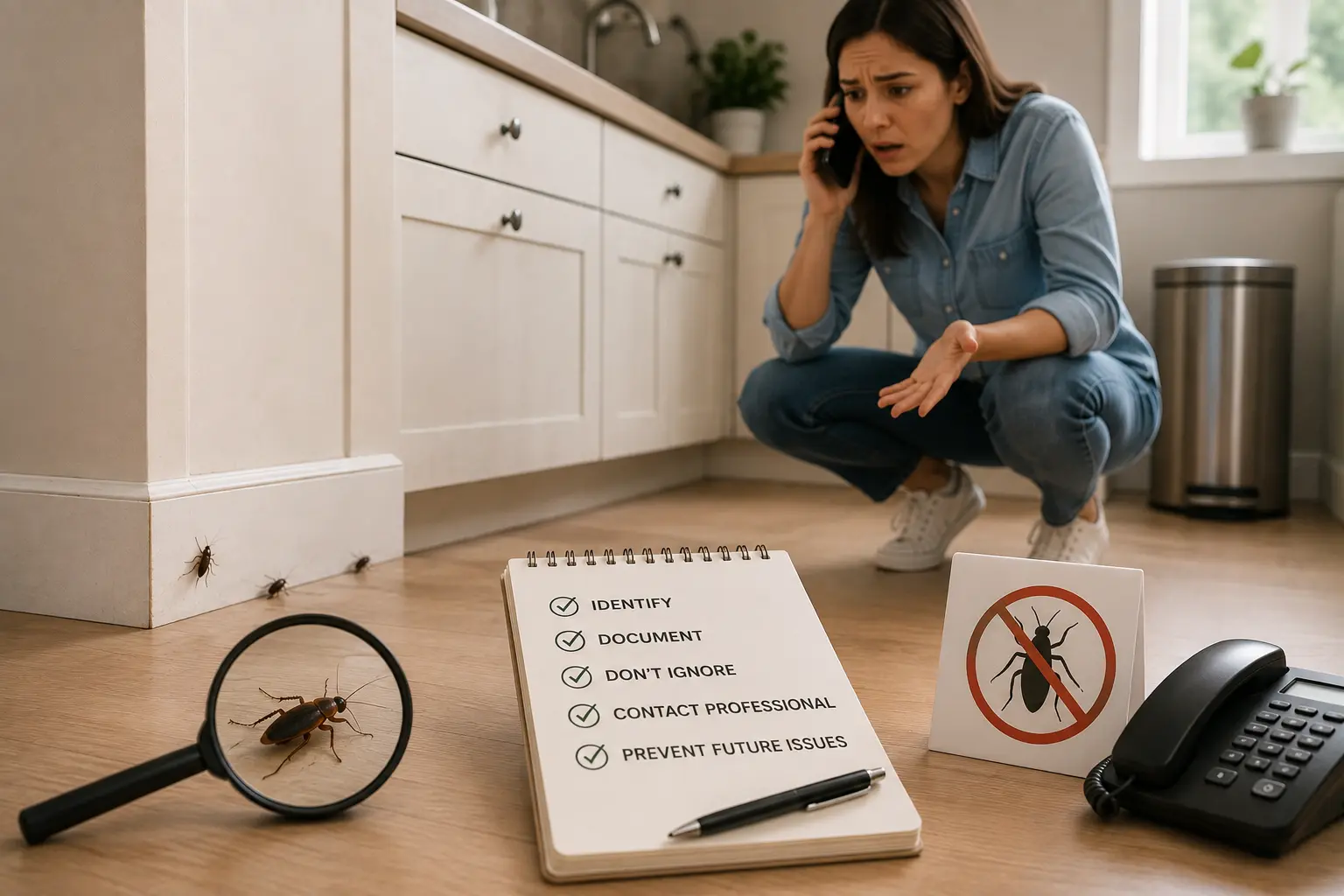
Finding pests in your rental home can be stressful, but taking the right steps early can help prevent the problem from getting worse.
1 Notify Your Landlord or Property Manager in Writing
Report the problem as soon as possible. Email, a tenant portal, or another written communication method can provide a record of when the infestation was reported. Include the type of pest, where you saw it, and whether the problem appears to be getting worse.
2 Take Photos and Notes
Take photos or videos of the pests and any signs you see. This may include droppings, nests, damage, or places where you see pests. Write down where and when you saw them. This can help show how serious the problem is.
3 Keep Your Messages
Keep your emails, texts, or other messages with your landlord or property manager. It is better to report the problem in writing. This gives you a record of when you reported it and what you told them.
4 Check Before Using Pesticides
Before treating the problem yourself, ask your landlord or property manager if they have a preferred pest control company or treatment process. Using the wrong product or treating the problem without finding its source may not solve the issue and could make professional treatment more difficult. The EPA recommends reading and following the pesticide label before using any pest control product, including using only the amount directed on the label.
What Our Pest Control Team Looks for in Rental Properties
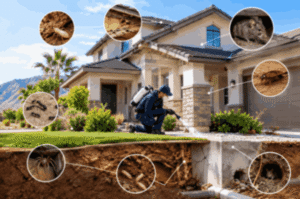
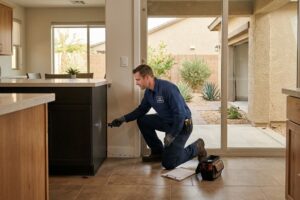
With 20 years of pest control experience, we know that finding a pest is only part of the problem. When inspecting a rental property, we look at why the pests are getting in and what is allowing them to stay. Our team typically checks for:
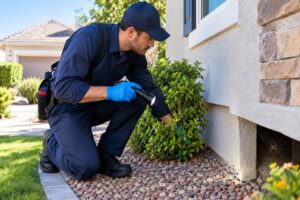
- Gaps and cracks around doors, windows, walls, and foundations
- Openings around pipes, drains, and utility lines
- Moisture, leaks, and other conditions that attract pests
- Food, rubbish, or other accessible sources
- Signs of nests, droppings, damage, or pest activity
- Possible activity in neighboring units or shared areas
We take the time to understand the property, the pest involved, and the conditions contributing to the problem before recommending a practical treatment approach.
Treating the pests may not be enough if the source of the problem is still there. Finding and fixing the source can help prevent the pests from coming back. Remember, taking preventive steps can reduce the risk of future infestations and support better pest prevention in Las Vegas.
Need Pest Control for a Rental Property?
If you are dealing with pests in a rental property, professional help can make it easier to identify the pest, find the source, and determine the right treatment. At Enviro Guard, we help landlords, property owners, and tenants with professional pest control services tailored to the property and the pest involved.
Whether you need help identifying common pests in Las Vegas, dealing with an active infestation, or understanding why pest inspections matter, our team can help you take the right next step.
Contact us today to discuss your pest problem.