When you have kids at home, safety becomes part of every decision you make. You think about food, cleaning products, and even the air they breathe. Pest control often raises questions because it deals with chemicals, bugs, and places where children play. At the same time, pests like ants, roaches, and rodents can carry germs and contaminate food. Ignoring the problem is not a good option either. With safe residential pest control services, you can remove unwanted pests while keeping your children’s safety first.
The goal is balance. You want a home free of pests and safe for children. This guide explains how you can protect your kids while managing pests smartly and carefully.
Why pest control matters more when you have kids
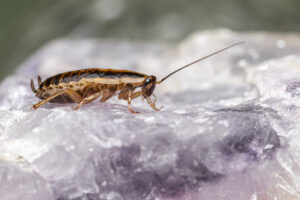
Children spend a lot of time close to the floor. They crawl, sit, and play in areas where pests often travel. Bugs can leave behind bacteria, droppings, and allergens. Rodents may chew food packages and wires. These issues affect adults too, but kids face a higher risk because their immune systems are still developing.
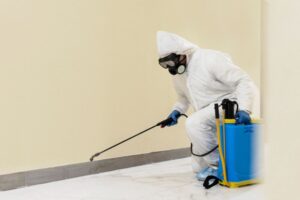
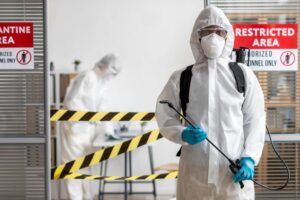
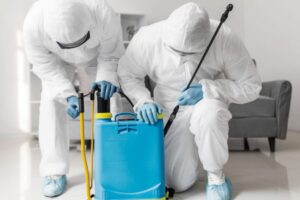
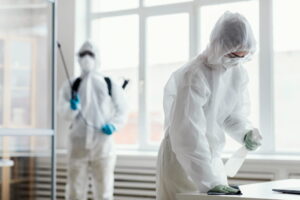
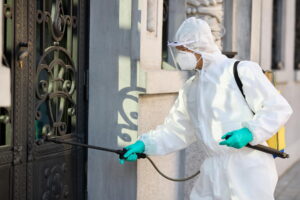
This is why many families choose professional help instead of trying random solutions. Working with trained pest exterminators in Las Vegas helps you control pest problems effectively while keeping your children’s safety a top priority. Professionals know where pests hide and how to treat those areas with less exposure.
How to Manage Pests Safely When You Have Kids at Home
1 Understanding the risks of unsafe pest control methods
Some past pest control methods relied on heavy spraying. These approaches can leave residue on floors, walls, and furniture. For a home with kids, this creates concern. Children may touch treated surfaces or put their hands in their mouths.
Today, many services avoid broad spraying and focus on targeted treatments. Still, you should always ask what products are being used and where they will be applied. Knowing the process helps you prepare your home and reduce risks for your children.
2 Prevention is your first line of defense
The safest pest control method is stopping pests before they move in. Prevention reduces the need for treatments and keeps your home cleaner overall.
You can start with simple habits:
- Store snacks and dry food in sealed containers
- Clean spills as soon as they happen
- Take trash out regularly
- Fix leaks under sinks or behind appliances
- Seal small cracks near doors and windows
These steps make your home less inviting to pests and easier to manage for families.
3 Keeping play areas clean and organized
Kids’ play areas deserve extra attention. Crumbs in rugs, toys left on the floor, and uncovered cups can attract pests fast. Regular vacuuming and wiping surfaces help reduce this risk.
You should also wash toys that stay on the floor, especially in kitchens and living rooms. Clean spaces support pest control efforts and help protect children from germs pests may carry.
4 Using integrated pest management for family homes
Integrated Pest Management, often called IPM, is a method many families prefer. It focuses on inspection, prevention, and monitoring instead of heavy chemical use.
IPM includes:
- Identifying the pest problem
- Finding out how pests enter your home
- Removing food and water sources
- Using targeted treatments only when needed
Homeowners looking for Las Vegas pest control for homes often choose IPM because it supports long-term results while limiting exposure for kids.
5 Talking to your pest control provider matters
Clear communication helps protect your family. Before any service, ask questions. You should know which areas will be treated and how long children should stay away. Before treatment, you can:
- Pick up toys and clothes
- Move food items out of treatment zones
After treatment, follow all instructions given. This may include waiting before letting kids back into certain rooms or wiping specific surfaces. These steps help keep everyone safe.
6 Teaching kids basic pest safety
You can involve your kids in simple and calm ways. There is no need to scare them. Teach them not to touch bugs and to tell you if they see pests. Remind them to wash their hands after playing on the floor.
These small lessons build awareness and help support a safer home environment.
7Outdoor care helps protect indoor spaces
What happens outside affects what happens inside. Trash bins, standing water, and overgrown plants attract pests. Once pests gather near your home, they often find a way indoors.
Keep outdoor areas clean by closing trash lids, trimming plants away from walls, and removing standing water. This reduces pest pressure and supports indoor safety.
8 Store pest control products and supplies out of reach
Even if you use professional services, many homes still keep sprays, traps, or cleaning products under sinks or in garages. These areas are easy for kids to reach. Storing pest-related products incorrectly can create safety risks.
You should keep all pest control items in locked cabinets or on high shelves. Avoid storing them near food or toys. If a product has instructions or warning labels, read them fully before storage. Proper storage reduces accidents and keeps your home safer for children every day.
Why regular inspections make a difference
Regular inspections help catch problems early. Small pest issues are easier to control and often need fewer treatments. For families, this means less disruption and fewer safety concerns over time.
Routine inspections also help identify entry points and maintenance issues before pests spread.
Summary!
Keeping your kids safe while managing pests is possible when you focus on prevention, communication, and smart choices. Clean habits, modern pest control methods, and regular inspections all play a role in protecting your home. You do not need extreme measures, only consistent care and informed decisions.
For families who want reliable and child-focused solutions, Enviro Guard Pest Control offers professional services designed to support safe and healthy homes. Booking a service can help you stay ahead of pest problems and protect the people who matter most.