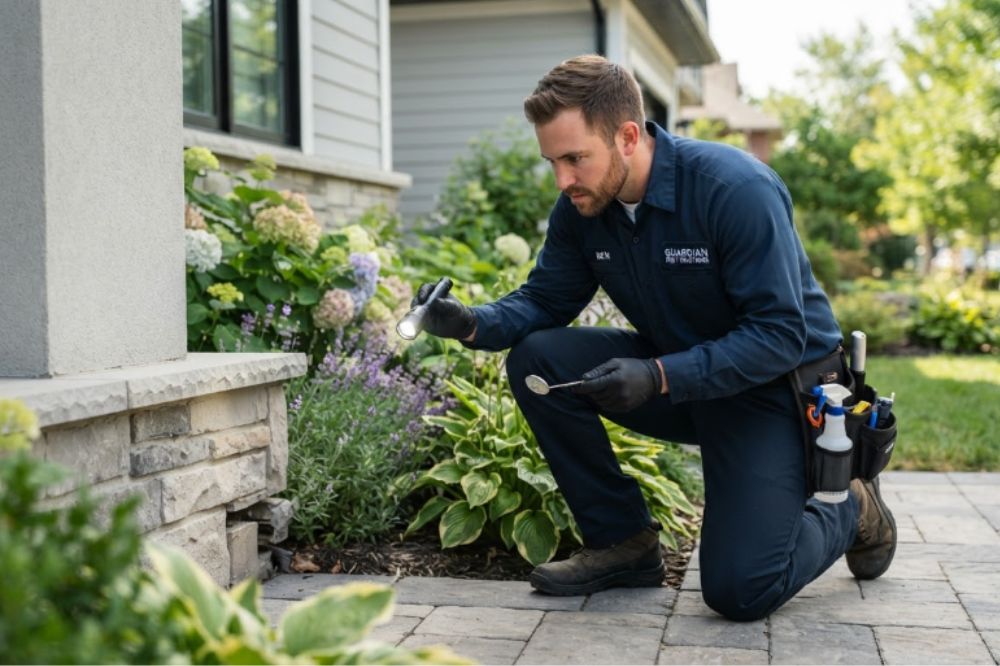
Pests can become a problem in any home, but the way they are managed depends on the type of property you live in. A condo and a house may have the same pest problem, but they do not need the same treatment plan. Shared walls, outdoor space, and building design all affect how pest control services are performed.
If you want lasting results, you need to understand condo and house pest control differences before choosing a professional pest prevention service. It will help you get a customized treatment plan that fits your property, rather than using the same approach for every home.
This guide explains the biggest differences between condo and house pest control so you know what to expect during an inspection and treatment.
Condo vs. House Pest Control: What’s the Difference?
According to the U.S. EPA, pest-control guidance applies to both single-family houses and condominiums.
Every property has different needs. Here are some of the biggest ways pest control services change based on where you live.
| Factor | Condo | House |
| Entry Points | Shared walls, pipes, gaps | Foundation, roof, doors |
| Inspection | Mainly indoors | Indoors + outdoors |
| Outdoor Treatment | May need HOA approval | Usually homeowner-managed |
| Treatment Focus | Indoor & shared areas | Indoor & exterior areas |
| Prevention | Seal gaps, reduce moisture | Seal cracks, maintain yard |
| Follow-Ups | Unit & nearby areas | Interior & exterior |
The difference between condo and house pest control is explained in detail with key factors. It explains how pest control services and treatment plans may change based on the type of property, its layout, entry points, and surrounding areas.
1 Shared Walls Can Affect Condo Pest Problems
The biggest difference is the building itself.
If you live in a condo, your home shares walls, ceilings, plumbing, and sometimes ventilation systems with other units. Pests can move through these spaces without being noticed. Even if you keep your unit clean, pests from another unit may still find a way inside.
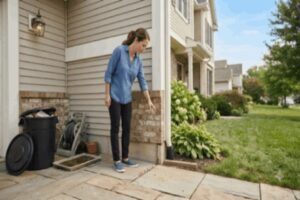
A house is separate from nearby homes. Most pests enter from the yard, foundation, roof, garage, or other openings around the property. This often makes it easier to locate where the problem started.
2 Pest Inspections Cover Different Areas
Every pest control visit starts with an inspection. For condos, technicians usually inspect:
- Kitchen and bathroom
- Windows and doors
- Utility openings
- Interior walls
For houses, inspections often include:
- Foundation
- Roofline
- Garage and attic
- Basement or crawl space
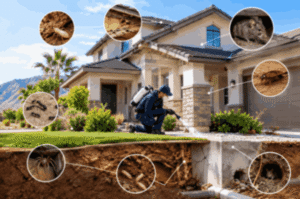
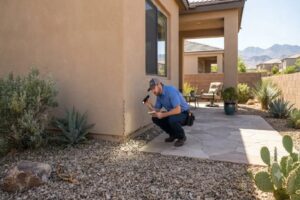
- Yard and exterior walls
House inspections usually take longer because there are more areas where pests can enter or hide.
3 Exterior Pest Control Is More Important for Houses
Outdoor Treatment is a key difference.
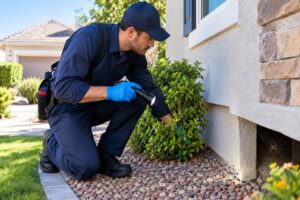
Houses often receive exterior treatments around the foundation and entry points to help prevent pests from getting inside. For condos, outdoor areas are usually maintained by the homeowners’ association or property management.
4 Who Is Responsible for Pest Control?
Knowing who handles pest control is important.
In many condo communities, the HOA condo association is responsible for maintaining shared spaces such as hallways, parking areas, and building exteriors. Unit owners are generally responsible for their individual units. If pests are affecting both a unit and shared areas, the association and owner may need to coordinate pest treatment.
If you own a house, you are usually responsible for the entire property, both inside and outside.
5 Treatment Depends on the Pest
Pest control is not the same for every pest. Ants, cockroaches, termites, rodents, scorpions, spiders, and bed bugs behave differently.
For example:
| Pest | House | Condo |
| Ants | Foundation, yard, and exterior entry points | Interior gaps and connected areas |
| Cockroaches | Enter through kitchen, bathroom, garage, drains | Plumbing gaps and nearby units |
| Rodents | Attic, garage, roof, foundation, yard | Walls, ceilings, and shared utility areas |
| Termites | Foundation, soil, and structure | Unit and shared structural areas |
| Bed Bugs | Affected rooms and furniture | Unit plus nearby/connected units |
Choosing the right pest control company also makes a difference. A trusted Enviro Guard Pest Control service will inspect your property and recommend a treatment plan based on the type of home you own and pest activity instead of using the same solution for every customer.
6 Pest Prevention Is Different for Condos and Houses
Preventing pests is just as important as treating them.
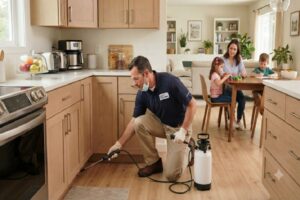
If you live in a condo, prevention may include sealing small gaps around pipes, fixing leaks, storing food in sealed containers, and reducing moisture in kitchens and bathrooms.
If you own a house, prevention also includes trimming plants, removing standing water, sealing cracks around the foundation, and keeping firewood away from the home. These steps help reduce places where pests can live before they move indoors.
7 Seasonal Pest Problems Can Affect Each Property Differently
Houses are more exposed to changing weather.
During warm months, insects often move indoors in search of water. During colder months, rodents may enter through small openings to find shelter.
Condos are still affected by seasonal pests control, but many problems arise when pests spread from another unit rather than entering directly from outside.
8 Follow-Up Pest Control Visits
Many homeowners choose routine pest control throughout the year.
For houses, follow-up visits often include outdoor inspections and preventive treatments because weather and yard conditions continue to change.
For condos, follow-up services usually focus on indoor pest activity and any issues that affect nearby units.
9 How to Choose the Right Pest Control Service
There is no single pest control plan that works for every property.
A condo and a house have different layouts, different entry points, and different risks.
If you’re looking for qualified pest control services, consider these factors:
1. Choose A Company Experienced With Your Property Type
Your property type can affect how pest control is inspected and treated. If you live in a condo, choose a pest control company experienced with multi-unit buildings. And if you live in a house, choose a pest treatment company that provides a complete interior and exterior pest control inspection.
2. Make Sure They Inspect Before Treating
Pest inspection should be tailored to your property type. For a house, pest inspectors may check doors, windows, gaps, the foundation, roofline, garage, attic, yard, etc. But for a condo, the inspection focuses on kitchens, bathrooms, plumbing and utility openings, shared walls, and other connected areas.
3. Ask How They Will Identify the Source
Ask the technician to explain where the pests are coming from and what may be attracting them to control future activity. For a house, ask whether they will check the foundation, doors, windows, roofline, garage, attic, yard, and other entry points. For a condo, ask whether they will inspect plumbing openings, shared walls, kitchens, bathrooms, and other spaces.
4. Choose Pest-specific Treatment
The treatment plan can depend on the pest and the property. For example, houses may need treatment around yards, garages, attics, and foundations. On the other hand, condos need special attention.
According to the U.S. EPA, pest problems in multifamily housing may require checking neighboring units because pests can move between connected spaces.
The best service starts with a careful inspection and a treatment plan tailored to your home, rather than following the same process for every customer.
Wrapping Up!
Pest control for condos and houses may share the same goal, but the work involved differs. Condos require attention to shared walls, common areas, and neighboring units. Houses need a broader approach that includes outdoor spaces, foundations, roofs, garages, and yards.
When you understand these differences, you can choose a service that fits your property and helps reduce future pest problems.
If you are ready to protect your home, contact Enviro Guard Pest Control, a Nevada-licensed pest control company. Our team can provide an eco-friendly treatment plan designed for your property’s needs with guaranteed satisfaction.
Contact our licensed team today to schedule your free pest control service.