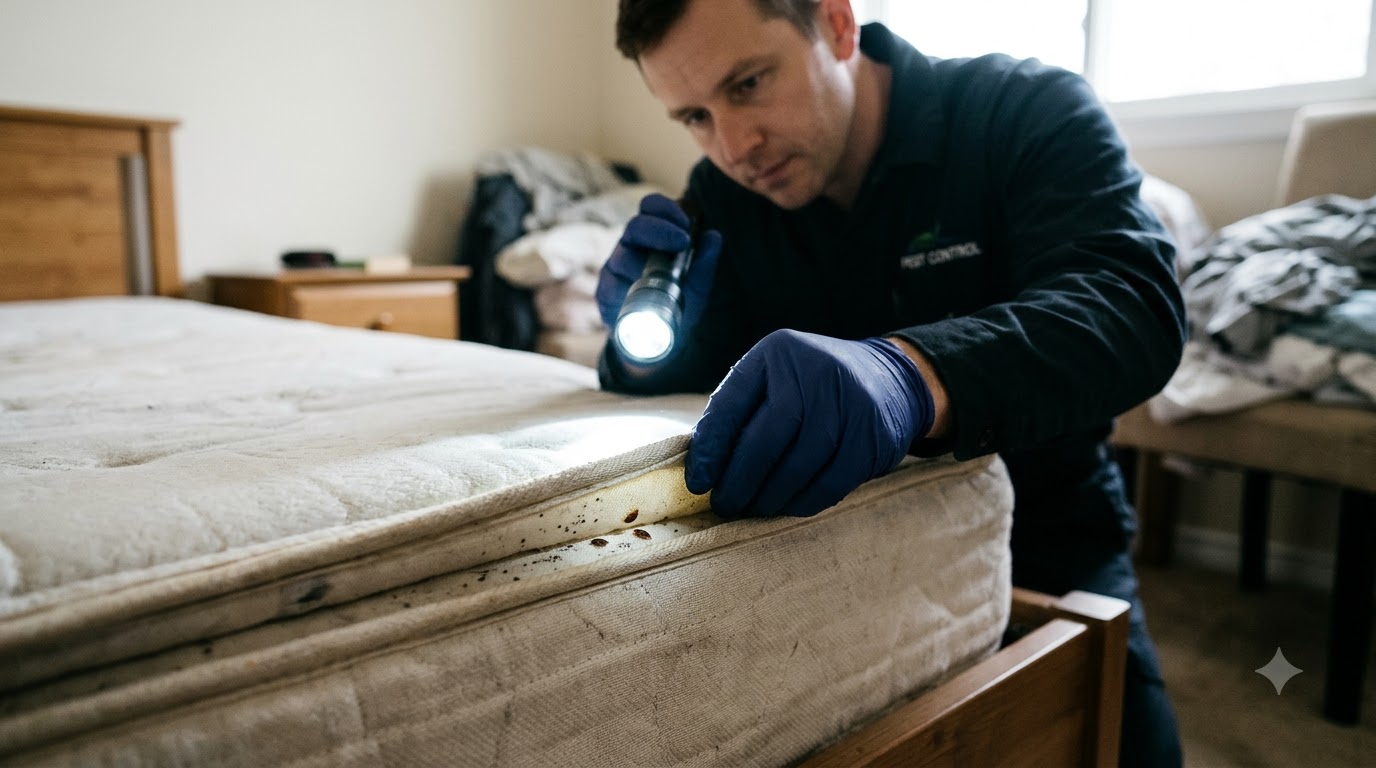
Bed bug treatment in Las Vegas can take 1–3 weeks or longer, depending on the method and size of the infestation. Heat treatment may take one day, while chemical methods often need follow-up visits. Knowing what to expect after bed bug extermination helps Southern Nevada residents track progress and spot signs that pests remain.
Heat Treatment vs. Chemical Treatment: What Is the Difference?
Heat and chemical treatments work in different ways. Heat kills bed bugs by raising the temperature in affected areas. Chemical products target them on treated surfaces and in hiding places. The best approach depends on the infestation and the property.
| Treatment method | Typical timeline | What to expect |
| Heat treatment | Often one day | Heat must reach all affected areas for long enough to kill bed bugs. |
| Chemical treatment | Several weeks in some cases | Follow-up visits may be needed if eggs hatch after the first application. |
These are general timelines, not guarantees. The size of the infestation, the treatment used, and the layout of the property can all affect the result.
1How Heat Treatment Affects Bed Bugs
Professional heat treatment raises room temperatures to levels that kill bed bugs. Heat must reach places where they hide, such as mattress seams, bed frames, furniture joints, and cracks.
If some areas do not get hot enough for long enough, insects or eggs may survive. Furniture placement and hard-to-reach spaces can affect how well heat spreads.
Although the process may finish in one day, checking for signs of bed bugs afterward is still important.
2Why Chemical Treatment May Require Multiple Visits
Chemical products kill bed bugs when they come into contact with the treated areas or products that keep working after application.
However, some eggs survive certain insecticides. When they hatch, young bed bugs may appear days later. A follow-up visit can help deal with those that remain.
The number of visits depends on the product used and the extent of the problem. Enviro Guard Pest Control helps Las Vegas residents explore options for dealing with bed bugs in their homes.
What Happens to Bed Bugs in the Weeks After Treatment?
You may find dead insects, spot a live bug, or see no clear signs at all. What you notice in the days and weeks after treatment can help show whether more action is needed.
1During the First Few Days
You may find dead or dying bed bugs near beds, furniture, and treated areas. You might also spot a live insect that was missed or has not yet come into contact with the product.
One sighting does not always mean the treatment has failed. However, repeated sightings need attention. Note where you find the insects and when you see them.
2During the First Two Weeks
Some eggs may survive the first application and hatch in the days that follow. You might then notice tiny insects near beds or other hiding places.
This does not always mean the treatment failed. Still, new signs are worth checking. The time since treatment and the type of evidence can help show whether further action is needed.
3Over the Following Weeks
As the treatment takes effect, signs of bed bugs should become less common. The aim is to stop the infestation, not just reduce the number of insects you see.
If fresh signs keep appearing, bed bugs may have survived, eggs may have hatched, or pests may be coming from another area.
A bed bug problem can also affect sleep and cause stress. Read our article on Bed bugs after treatment to learn more.
Why Can Bed Bugs Survive the First Treatment?
Bed bugs hide in small spaces and can be hard to reach. Some eggs also survive certain treatments. In shared buildings, nearby rooms or apartments may be another source of the problem.
1Eggs That Survive the Initial Application
Some bed bug eggs are not killed by common insecticides. When they hatch, young insects can appear even after the number of adult bugs has dropped.
Follow-up checks and repeat applications may be needed. The US Environmental Protection Agency explains why some bed bug treatments fail, including the need to deal with newly hatched insects.
2Bed Bugs Hiding in Untreated Areas
Bed bugs do not live only on mattresses. They can hide in many places, including:
- Mattress seams and labels
- Bed frames and headboards
- Sofa seams and furniture joints
- Cracks near baseboards
- Gaps in nearby furniture
Treating only the bed may leave other hiding places untouched. Other parts of the room may also need attention.
If you suspect bed bugs or keep finding them after treatment, try using our bed bug inspection service
3Activity in Nearby Rooms or Apartments
Bed bugs can spread between connected living spaces. They may pass through gaps around pipes, wall openings, and other small spaces. Finding them in one apartment does not mean nearby homes are affected, but shared buildings can make control harder.
If you rent in Las Vegas or Clark County, tell your property manager if you suspect bed bugs. They may need to help arrange checks in other areas of the building.
The Southern Nevada Health District’s bed bug guidance offers local information for residents and landlords.
If you find signs in several rooms or suspect a problem in a nearby unit, mention this when contacting our team. More than one area may need attention.
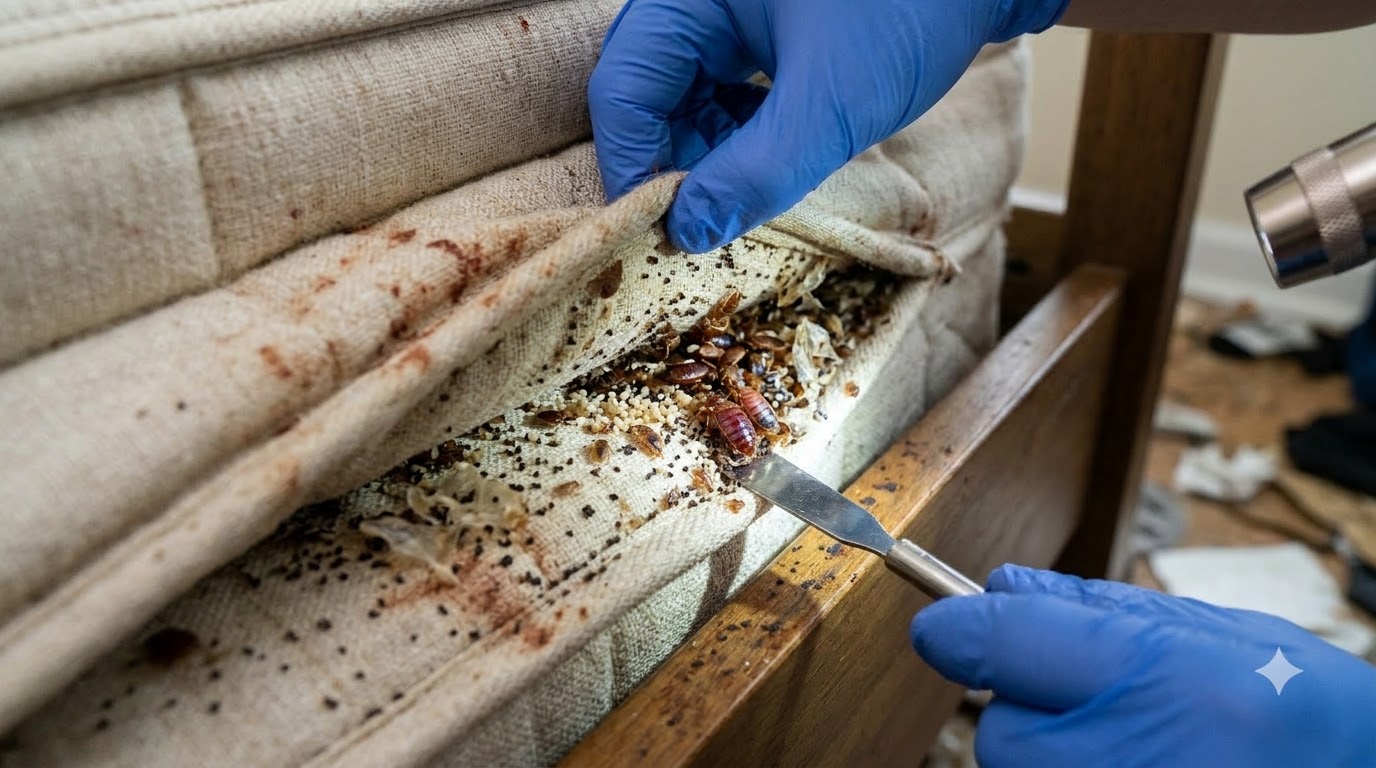
How Can You Tell If Bed Bugs Are Still Active?
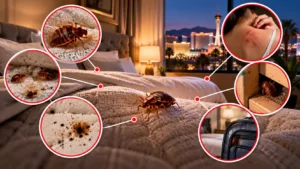
Look for fresh signs around beds, furniture, and other hiding places. Common clues include:
- Live insects: Small, flat bugs that are often reddish-brown.
- Dark spots: Small marks near mattress seams or bed frames may be droppings.
- Shed skins: Bed bugs leave their outer skins as they grow.
- Eggs or young bugs: These may point to ongoing activity.
Old marks and shed skins can remain after treatment, so they do not always mean live insects are still present. Look for new signs over time. If you are unsure what you have found, our team can discuss your concerns.
1Can Bites Tell You If Bed Bugs Are Still There?
No. Itching and bite marks can last after treatment, and other causes can leave similar marks.
If you notice new bites, check for live insects or other signs nearby. Skin reactions alone cannot confirm whether bed bugs remain.
2Can Interceptor Traps Help?
Yes. Interceptor traps fit under suitable furniture legs and catch bed bugs as they move between the floor and the furniture. They can help you check for signs of activity, but they cannot prove that every bug is gone.
Check the traps often and note any insects you find. If you are unsure what the results mean, our team can discuss the next steps.
There is no set number of days without sightings that proves a home is clear. Keep checking for signs and follow your treatment instructions.
What Should You Do After Bed Bug Treatment?
The right aftercare helps treatment work as intended and lowers the risk of spreading bed bugs. Steps vary by method, so follow the instructions provided for your property.
1Follow Treatment and Cleaning Instructions
Check when it is safe to clean treated areas or move items. Cleaning too soon can reduce the effect of some products.
Do not wipe, wash, or vacuum treated surfaces unless your instructions allow it. If you are unsure, contact our team for guidance on the aftercare steps for your service.
2Handle Bedding and Belongings Carefully
Bedding, clothing, and other items need careful handling after treatment.
- Wash and dry suitable items according to their care labels.
- Keep items that may carry bed bugs in sealed bags or containers.
- Avoid moving loose bedding or furniture from an affected room into other areas.
- Check secondhand furniture before bringing it home.
- Ask for advice before throwing away a mattress or other furniture.
Moving infested belongings can spread bed bugs to new areas. If you have recently travelled, check your luggage and clothing before putting them away.
For more ways to reduce pest risks around your property, read about bed bug prevention
What If Bed Bugs Return After Treatment?
If you spot live bed bugs or fresh signs days or weeks after treatment, the infestation may not be fully under control. Some eggs may have hatched, or insects may have survived in hidden areas.
Keep track of where you find new signs and when they appear. Follow your treatment aftercare instructions, and avoid moving items from the affected room into other areas.
If bed bugs keep appearing, contact Enviro Guard Pest Control to discuss the problem and whether further inspection or treatment may be needed.
Get Help With Bed Bug Removal in Las Vegas
Bed bug removal can take days or weeks, depending on the method used and the size of the infestation. Heat treatment may finish in one day, while chemical methods may require follow-up visits.
If you are still finding live bed bugs or fresh signs, Enviro Guard Pest Control can discuss bed bug removal options for your home in Las Vegas and nearby Southern Nevada communities.
Call 702-569-2849 or learn more about our bed bug infestation treatment