Las Vegas homeowners face a common dilemma when ants move into the kitchen, cockroaches appear near the pantry, or a scorpion turns up in the garage: should they handle the problem themselves or call a pest control professional?
Seeing a single pest once doesn’t necessarily mean you need specialist treatment. Cleaning up food spills and crumbs, sealing gaps, fixing leaking pipes, and using the right bait can often help control minor infestations. However, if insects keep returning after home remedies, it may be time to call a professional for help to identify the source.
Choosing between professional pest control vs DIY options depend on the type of pest, how it enters your home, and how serious the problem is. This guide will help you understand when you can handle pests yourself, when it’s better to call an expert, and how to avoid wasting money on treatments that only provide temporary relief.
Professional Pest Control vs. DIY: Which Option Is Right for You?
DIY pest control lets you choose the products you use and save money at the beginning. Professional pest control gives you expert help to identify pest presence, find their hiding places, and choose the right treatment for your insect problem.
Neither option is automatically right for every situation. The key is matching the treatment to the pest and the extent of the problem.
| DIY Pest Control | Professional Pest Control |
| Definition: Suitable for small, isolated pest problems when the pest and its attractants are identifiable. | Definition: Best when infestations persist, pests are difficult to identify, or treatment requires specialist knowledge. |
| A few ants or occasional flies | Consider a professional inspection if you notice rodent droppings, bed bugs, an active nest, stinging insects, property damage, pests in multiple areas, an unidentified pest, or activity that continues despite basic prevention. |
| A single cockroach sighting; monitor for further activity | Frequent cockroach sightings or egg cases |
| Small gaps around doors or windows | Rodent droppings, gnaw marks, or scratching sounds |
| Basic pest prevention and cleaning | Repeated scorpion sightings indoors |
| Minor, identifiable pest problems | Suspected termites or structural damage |
| Safe, targeted DIY treatments | Commercial infestations or treatments requiring specialist skills |
The U.S. Environmental Protection Agency (EPA) suggests preventing pests, identifying them correctly, and using the right treatment instead of depending only on pesticides. Its Integrated Pest Management principles provide a useful framework for homeowners.
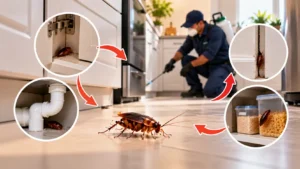
Note: Removing the pests you can see is not always the same as eliminating the source. If ants return along the same route or cockroaches appear repeatedly near a drain or appliance, investigate the underlying cause before buying another product.
When to Hire Professional Pest Control
Professional pest control is worth considering when the pest is difficult to identify or treating it safely requires specialist knowledge.
Consider hiring a professional if:
- Pests keep returning after DIY treatment: Repeated sightings may mean they are getting in through an opening, hiding somewhere nearby, or breeding in the area.
- Signs of rodent activity: You notice signs of rats or mice, such as droppings, bite marks, scratching sounds, or damaged food packaging, which can indicate activity behind walls, in attics, or inside cabinets.
- Cockroaches appear frequently: One sighting may justify monitoring, but repeated sightings, nymphs, or egg cases may indicate a nearby pest infestation or an active breeding site.
- Scorpions appear inside your home: A scorpion sighting does not automatically prove an infestation, but repeated encounters warrant investigation of entry points, exterior hiding places, and insect activity.
- You suspect termites or structural pests: If you see damaged wood, mud tubes, or other unusual signs, it may be time to get your home checked by a professional instead of relying on a regular household spray.
- Pests affect your business: Restaurants, offices, warehouses, and other commercial properties may need a documented control plan to address sanitation, access points, and operational risks.
- You cannot apply a treatment safely: Using pest control products the wrong way can put people and pets at risk. It’s best to get professional help when the area is hard to reach, or the pest needs special treatment.
For more serious or recurring problems, EnviroGuard offers residential pest control information and a commercial pest control service in Las Vegas.
Why Las Vegas Pest Problems Sometimes Need a Different Approach
Las Vegas doesn’t have just one pest season. Different pests become more active at different times of the year, and the conditions around your home can make a big difference.
Here’s what you can expect throughout the year:
| Season | Pest Activity in Las Vegas |
| Spring | Warmer weather can bring more ants, spiders, and other insects into yards and around homes. |
| Summer | Scorpions, ants, cockroaches, and mosquitoes may become more noticeable around shaded areas, irrigation systems, and water sources. |
| Fall | As temperatures cool, some pests may seek shelter near foundations, inside garages, and in other protected areas. |
| Winter | Outdoor activity may slow, but pests such as rodents and cockroaches can remain active in sheltered spaces, including attics and wall voids. |
Even in the desert, pests can find what they need to survive. Irrigated lawns, leaking pipes, pet water bowls, and shaded areas around your home can provide water and shelter.
The Cost of Repeating DIY Treatments
An affordable pest spray may seem like a pocket-friendly solution, but repeated purchases can add up if the product targets the wrong pest or provides only temporary relief.
For example, you may notice ants marching across your kitchen counter. Spraying the visible trail might kill some ants, but they can return if the colony remains active or the entry point is not sealed.
Scorpions may need a different method of control. They often hide in cracks, gaps, clutter, and sheltered outdoor areas. Clearing debris around your foundation, sealing openings, and reducing insect activity around your property can help lower the risk of scorpion encounters.
Before choosing a treatment, take time to understand the problem. Check where pests appear most often, when you see them, and whether food, moisture, rubbish, or clutter may be attracting them. Look for gaps around pipes, doors, windows, and utility lines that could allow pests to enter.
Most importantly, choose a product labelled for the specific pest and the location where you intend to use it. Identifying the source of the infestation first can help you avoid unnecessary spending and find a more effective, lasting solution.
Note: The National Pesticide Information Center recommends identifying pests correctly for customised treatment, following pesticide label instructions, and calling a professional if home treatments don’t work or the problem needs special skills. Read its DIY pest control guidance.
What a Professional Pest Control Inspection Should Tell You
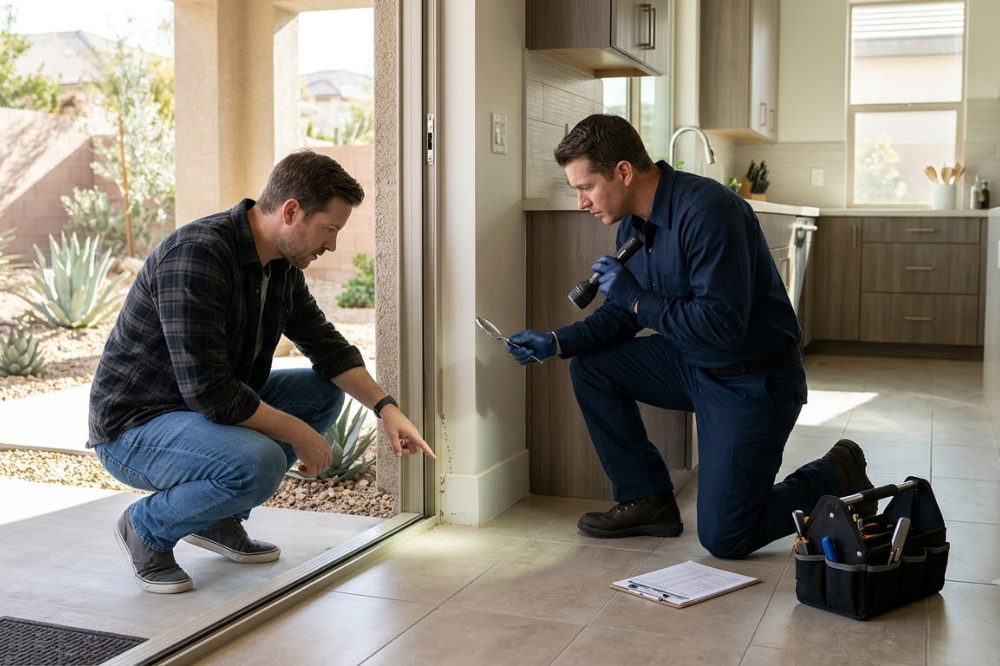
A professional pest control inspection service should tell you more than which product might be used.
First, the pest should be identified. Then the inspection should look at where activity is occurring, possible entry points, signs of nesting or reproduction, and conditions that may be supporting the problem.
Outside, this can include landscaping, irrigation, moisture, debris, harborage areas, and access points.
Inside, the focus may include food, water, shelter, plumbing areas, storage spaces, and other places where pests can hide.
The recommendation should connect the finding to the next step. You should know what needs to be corrected, what treatment may be appropriate, which areas are involved, and whether follow-up or monitoring makes sense.
For homes, residential pest control is available for recurring and one-time pest concerns. EnviroGuard currently lists scorpions, roaches, ants, spiders, rodents, termites, bed bugs, mosquitoes, and other pests among its residential services.
For offices, restaurants, retail spaces, warehouses, HOAs, and other businesses, commercial pest control may be a better fit.
If you are unsure how extensive the problem is, EnviroGuard provides information about its free pest inspection in Las Vegas. Confirm the current inspection terms and service coverage directly with the company.
Making the Decision for Your Home
Still unsure whether to choose professional pest control or a DIY solution? Start by asking yourself a few simple questions:
- Is it just a one-time sighting?
- Are you noticing them more often?
- Have you tried the same treatment more than once?
- Could they pose a risk to your health or property?
- Are you dealing with a commercial property?
Begin with some easy changes at home, such as keeping your space clean, sealing entry points, removing food sources, and following a regular pest prevention routine. For minor problems, DIY treatments may be enough.
However, if pests keep returning, the problem spreads, or your efforts fail to deliver lasting results, it may be time to call a professional.
The goal isn’t just to get rid of the pests you can see, but to address the source of the problem and help prevent them from coming back.