After March, it’s not just the weather that starts warming up in Las Vegas. Plants begin to grow, moisture levels can increase, and pests become more active too. The University of Minnesota Extension notes that warmer spring temperatures can lead to increased insect activity, and these seasonal changes can also affect homes in Las Vegas.
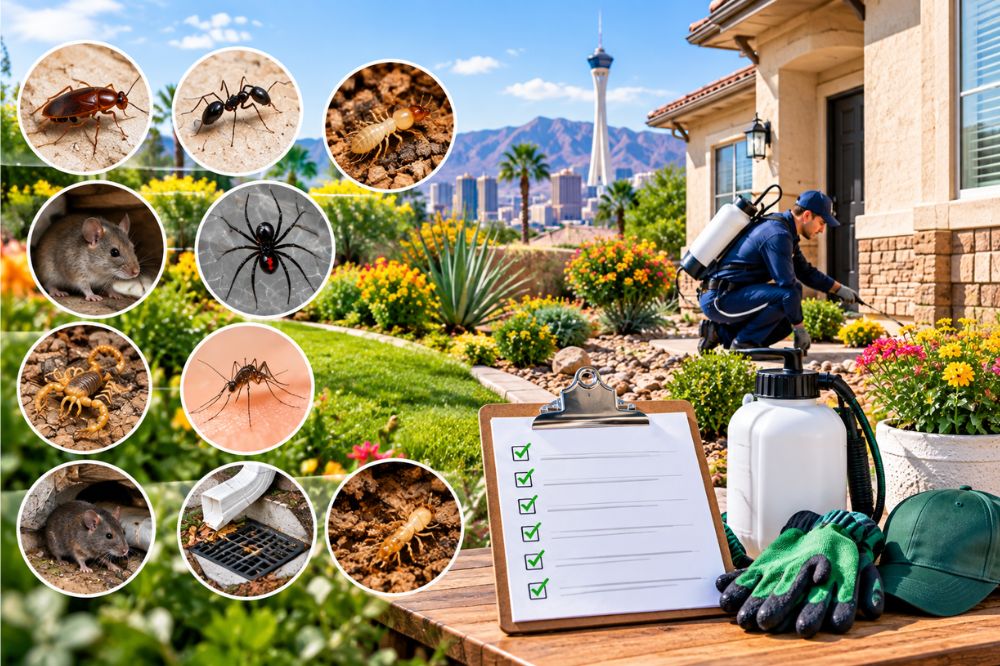
Ants, cockroaches, spiders, termites, and other pests look for food, water, and shelter around your home. A few may seem harmless, but ignoring them can give pests time to breed and spread. That’s why spring is a good time to focus on pest control. A simple spring pest prevention checklist for Las Vegas homes can save you plenty of stress, time, and money later.
However, if you notice signs of an infestation that are difficult to manage on your own, professional pest control services can provide extra help by recommending preventive steps.
Why Is Spring a Good Time for Pest Prevention in Las Vegas?
Spring is an ideal time for pest control because warmer conditions encourage breeding and increase the risk of pests entering your home. Plus, this timely action can help reduce breeding, stop pests from entering your home, and prevent small issues from becoming a larger infestation.
Pests may be looking for:
- Food around kitchens, bins, dining areas, pet-food areas, and cupboards.
- Water from leaking pipes, irrigation, or standing water
- Shelter under rocks, boxes, wall voids, garages, furniture, and garden debris
- Entry points around doors, cracks, gaps, windows, garages, and utility lines
- Protected spaces around walls, roofs and landscaping
Taking action early gives you a chance to correct these conditions before pest activity increases.
Spring Pest Prevention Checklist for Las Vegas Homes
This pest control checklist for homeowners provides clear, simple steps you can follow to protect your home. Each step focuses on common problem areas that pests use to enter or survive inside your space.
You do not need special tools for most of these steps. What matters most is consistency and attention to detail.
1 Inspect Your Home’s Entry Points
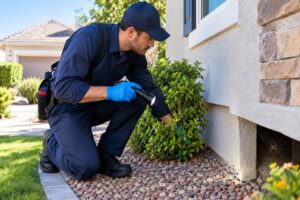
Pests do not need a large opening to get inside. Small cracks and gaps are enough for many insects and even small rodents. Walk around your home and pay attention particularly to:
- Door frames and window edges
- Cracks in the walls or foundation
- Openings around pipes and cables
- Torn window or door screens
- Garage-door edges and corners
- Openings near vents
Small gaps may seem harmless, but they can provide easy entry points for pests.
Checklist
- Check doors and windows
- Inspect garage seals
- Inspect the Kitchen
- Look around utility openings
- Repair damaged screens
- Check food sources
- Replace worn weatherstripping
- Seal suitable cracks and gaps
Following this pest prevention guide can help you avoid larger infestations, property damage, health risks, and expensive pest treatments.
Moreover, pest risk reduction, like sealing gaps, cleaning the house, or removing food sources can help overcome the chances of pests entering.
2 Check Your Yard for Pest Shelter
You don’t realize it, but spring makes yards more attractive to pests by providing warmth, moisture, fresh food, and dark, protected space to breed and shelter.
However, be careful: if pests live close to your home, they are more likely to come inside. Take time to:
- Trim bushes and tree branches
- Remove piles of leaves or wood
- Keep your lawn cut short
- Store firewood away from walls
- Check garden equipment and other items sitting close to the house.
- Move unnecessary items.
These steps help reduce hiding spots and keep pests farther away from your home.
3 Keep Your Kitchen Clean and Dry
Your kitchen is one of the attractive places for pests because they get easy access to food, water, and sheltered hiding spots.
Even a few crumbs or a small spill can attract ants or cockroaches. During the spring season, try to clean:
- Wipe counters after every meal
- Sweep floors often
- Store food in sealed containers
- Empty trash daily
- Check pantry items for signs of pests
- Clean under and behind appliances when possible
- Check underneath the sink for leaks
When your kitchen stays clean, pests have fewer reasons to enter your home and stay. However, you do not need a perfect, spotless home to prevent pests.
Your goal is to remove easy sources of food and water.
4 Fix Moisture Problems Quickly
Water is another thing pests need to survive. Damp areas can attract insects such as cockroaches and some types of ants. Check your home for:
- Leaky faucets
- Wet areas under sinks
- Slow drains
- Water pooling outside
Fix leaks as soon as you notice them. You can also use a dehumidifier in areas that stay damp. Keeping your home dry helps reduce pest activity and protect it from damage.
5 Check Windows and Door Seals
Doors and windows are used frequently, but if they have gaps, damaged screens, and loose frames, they can create entry points for pests. Look for:
- Loose weather stripping
- Gaps under doors
- Torn window screens
By sealing gaps, repairing screens, or replacing movable windows, you can make a big difference in keeping pests out.
6 Declutter Storage Spaces
Garages, closets, and storage rooms are easy to forget, because they contain boxes, bags, furniture, and other items that may remain untouched for long periods.
However, these areas can be ideal places for pests to settle, hide, find shelter, and even breed. To make the storeroom less attractive to insects:
- Remove unnecessary cardboard boxes
- Keep items organized and off the floor
- Clean dark corners and hidden areas
- Check for signs like droppings or nests
A clean and open space makes it harder for pests to settle in.
7 Manage Trash and Waste Properly
Trash can attract pests quickly if it is not handled well. Make sure you:
- Use bins with tight lids
- Take out the garbage often
- Clean trash cans from time to time
- Keep outdoor bins away from doors
Good waste habits reduce smells that attract pests.
8 A Preventive Inspection
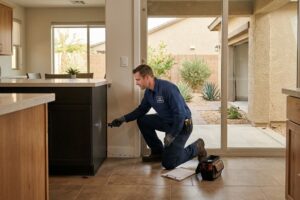
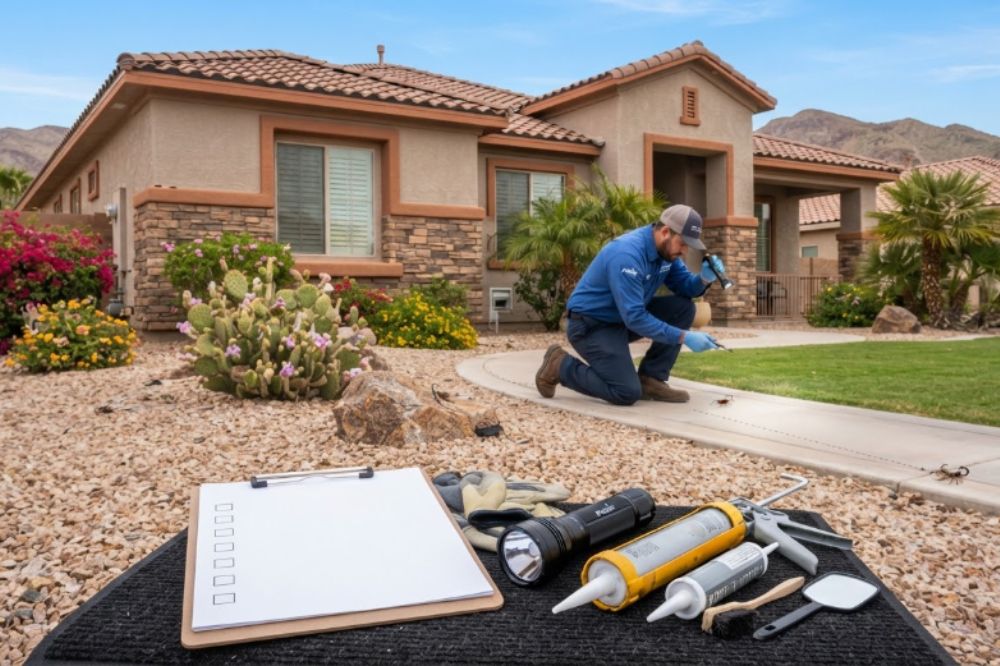
Even if your home looks fine, some pest problems can stay hidden. A professional inspection can help you find pest issues before they become difficult or expensive to manage.
Before the season gets busy, many homeowners contact the Enviro Guard Pest Control team for a free pest inspection and preventive care in Las Vegas. This step helps you stay ahead and avoid larger problems later.
9 Stay Consistent with Routine Checks
Pest protection works best when you monitor your home regularly. Try a monthly routine:
- Check your home every month
- Watch for new cracks, gaps, or leaks
- Inspect storage area
- Keep up with cleaning and yard work
Small actions done regularly can help you catch problems early, identify entry points, and reduce food and water sources that attract pests.
What Should You Do If You Find Pests During Your Spring Inspection?
First, do not panic when you see pests.
Identify where pest activity is occurring, such as in kitchens, bathrooms, yards, storage areas, and around entry points.
Consider basic prevention that includes cleaning the area, removing food, fixing leaks in water sources, sealing entry points, and keeping outdoor areas tidy.
However, if you need long -term prevention, DIY is not suitable.
If you repeatedly see pests despite regular cleaning and maintenance, or notice signs such as droppings, nests, chewed materials, damaged food packaging, or dead pests, it may be time to schedule a professional pest inspection.
A Las Vegas home pest inspection service can look beyond the pests you see and identify entry points, harbor areas, and other conditions contributing to the problem. Early inspection can also help protect your property from damage, contamination, health risks, and larger infestations that may be hiding nearby.
A Simple Spring Pest Prevention Schedule
You do not complete all these prevention steps in one day:
| Spring Stage | Pest Control Checklist |
| Early Spring (March 1–31) | Check doors, windows, garage, cracks, irrigation, outdoor taps and clutter |
| Mid-Spring (April 1–30) | Inspect landscaping, ants, spiders, gutters, rooflines and rodent signs |
| Throughout Spring (May 1–31) | Seal food, remove rubbish, fix leaks, tidy outdoor areas and monitor pest activity |
This spring pest prevention schedule helps you manage your time and stay ahead of pests instead of waiting for an infestation to develop.
When Should You Call a Pest Control Professional?
The spring prevention checklist above can help reduce the conditions that attract pests, but it cannot guarantee long-term protection or completely prevent pests from entering your home.
If you keep noticing pest activity, find different pests in multiple areas, see droppings or signs of structural damage, or your DIY efforts are not solving the problem, it may be time for a professional home inspection.
Enviro Guard Pest Control is a Nevada-licensed pest control company in Las Vegas that has followed environmentally responsible practices since 2006.
Their team can inspect your home, identify what is causing the recurring pest problem, and recommend a customized treatment.
To make the process easier and more comfortable, they offer:
- Free Inspection
- Licensed & Insured
- Satisfaction Guaranteed
- Child & Pet-Safe Options
- Same-Day Service
Schedule your free inspection today and get a clearer idea of what is happening in your home before the problem gets worse.