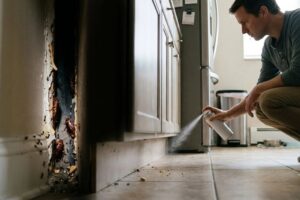
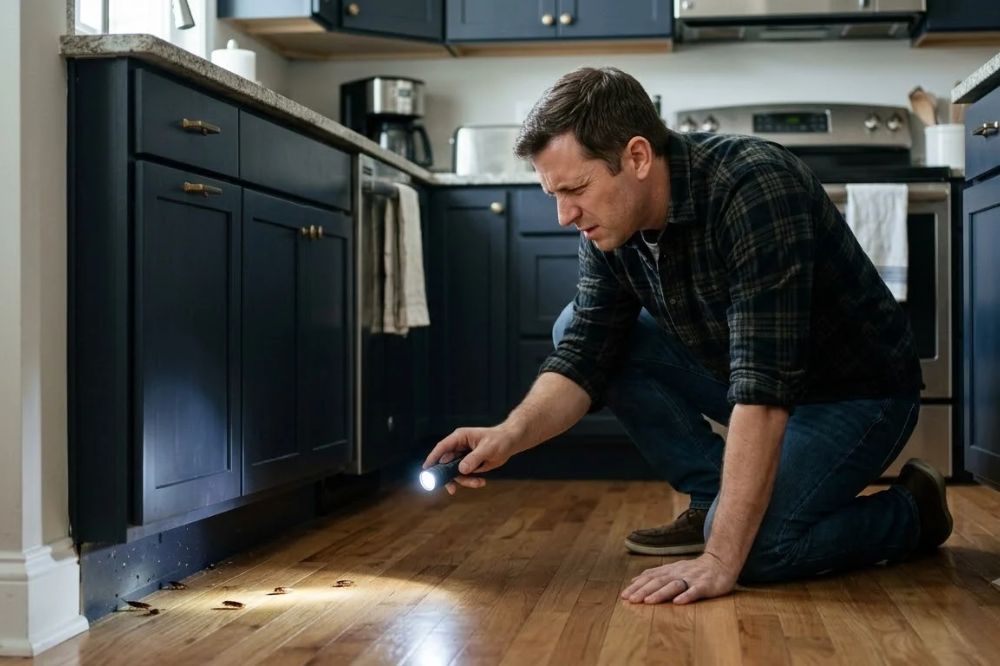
Repeated sightings of cockroaches in kitchen cabinets, rodents in pantries, or scorpions hiding inside your home may indicate an ongoing pest infestation that requires emergency pest control treatment. These pests can contaminate food, trigger allergic reactions, damage property, and create health and safety risks.
In Las Vegas, scorpions indoors, active wasp nests near entrances, and rodents near food storage areas need prompt attention. Knowing how to respond quickly can help stop an infestation from spreading. This guide explains how to identify the signs of an urgent pest problem, what to do before professional help arrives, and what to expect during a pest inspection.
What to Do Immediately After Discovering a Pest Infestation
1 Identify the Pest Without Disturbing the Area
Start by identifying the pest you’re dealing with. Different insects require different control methods, so accurate identification helps prevent unnecessary treatments and safety risks.
Observe pest activity from a safe distance and note:
| What to observe | Details to record |
| Appearance | Approximate size, colour, shape and distinctive markings. |
| Location | Where the pest appeared, such as the kitchen, bedroom, bathroom, garage or outdoor area. |
| Activity | Whether it was a single sighting or repeated pest activity. |
| Evidence | Droppings, shed skins, damaged packaging, nests, trails or other signs of infestation |
Take clear photographs whenever possible to help the pest control technician identify the pest and determine the appropriate treatment.
Note: Never poke nests, handle, or attempt to remove a suspected nest. Avoid moving objects around areas where pests may be hiding. Disturbing a nest or harbourage site can increase exposure to stings or bites and may cause pests to scatter.
2 Protect Your Children, Pets, & Food
Once you notice any signs of pest infestation in your home, prioritize the safety of everyone in the property.
Take these precautions:
- Move uncovered food and pet bowls away from the affected area.
- Store groceries in sealed, pest-resistant containers.
- Keep doors to affected areas closed when possible to prevent pests from entering restricted areas.
- Keep children and pets away from the affected area.
- Throw away any food that may have been exposed to rodents or insects to avoid possible contamination.
- Do not touch dead pests, droppings, or possible nesting materials with bare hands.
Note: Do not sweep or vacuum them. The CDC recommends wet cleaning when removing rodent droppings. Wear gloves, spray the droppings with disinfectant or a bleach solution, let them soak for 5 minutes, then wipe them up with paper towels and dispose of them safely. Avoid sweeping or vacuuming, as this can spread harmful particles into the air. For heavily contaminated areas, seek professional help.
3 Avoid Random Pesticide Applications
Using the wrong pesticide can make infestations difficult to control and create harmful chemical exposure in the surrounding environment.
So, before applying any DIY pest-control treatment:
- Always identify the pest correctly.
- Check whether the product is approved for the specific pest and the intended application area.
- Never mix different pesticides or combine pesticides with household cleaning chemicals, as this can produce dangerous reactions or toxic fumes.
- Never use outdoor pesticides indoors, even if they seem suitable for the same pest.
The EPA recommends following pesticide label instructions and never using outdoor pesticides indoors.
When Does a Pest Infestation Become an Emergency?
Emergency home pest control becomes urgent when it creates a safety concern, affects occupied areas, threatens food hygiene, or interferes with normal business operations.
| Pest / Situation | Emergency Warning Signs |
| Scorpions | Repeated sightings inside bedrooms, bathrooms, or areas accessible to children and pets. |
| Wasps or bees | An active nest near doorways, walkways, or frequently used entrances. |
| Rodents | Rodent activity in kitchens or food storage areas, contaminated food, or signs of ongoing infestation. |
| Cockroaches | Heavy activity around food preparation areas, cabinets, and appliances. |
| Potentially dangerous spiders | Suspected venomous spiders inside living spaces or bites causing serious symptoms. |
When is immediate emergency help necessary?
Some insect bites and stings, such as bee, wasp, hornet, scorpion and spider bites, may require urgent medical attention.
Call 911 immediately if someone experiences:
- Difficulty breathing or throat swelling.
- A severe allergic reaction.
- Loss of consciousness.
- Seizures.
- Other potentially life-threatening symptoms following a bite, sting, or suspected poisoning.
For suspected pesticide or other poison exposure without life-threatening symptoms, contact Poison Control at 1-800-222-1222 in the United States.
Note: EnviroGuard pest control service for Las Vegas homes can eliminate pests, but a healthcare professional must provide medical treatment
When to Call Emergency Pest Control in Las Vegas
Some insect problems need more than regular cleaning. An inspection helps when:
- Pest activity continues and spreads between rooms
- Pests appear in different areas
- Pests continue to return
- Nests are located near occupied areas
- You cannot find where they are coming from
- DIY treatment has failed
Our related guide explains when to call a professional for emergency pest control Las Vegas and the signs that show when expert help is needed.
What Happens During an Emergency Pest Inspection?
1 We Check the Signs Before Recommending Treatment
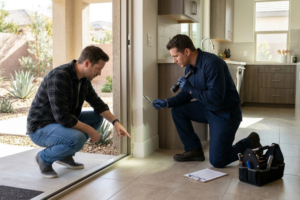
We start by looking at the reported pest problem and the signs of activity. The aim is to identify the pest and understand which areas need attention.
We also consider what the homeowner has noticed, such as where pests appear and whether sightings have increased. This information helps us understand the problem before suggesting a response.
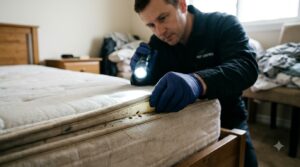
Our recommendations depend on the pest and the conditions found. A problem with ants needs a different response from bed bugs or scorpions.
Read our guide to why pest inspections matter.
2 We Recommend Appropriate Pest Control Methods
Different pests need different control methods. For example, a cockroach problem inside a kitchen needs a different response from mosquitoes breeding in standing water.
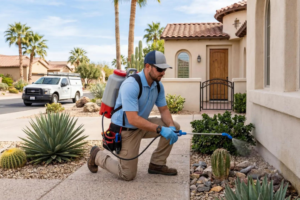
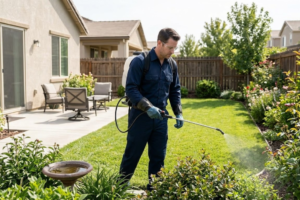
We consider the pest, the signs of activity, and the conditions around the home when choosing suitable measures. These may include pest control products and steps to reduce food, water, shelter, or access.
This approach follows the principles of integrated pest management from the US Environmental Protection Agency. It combines pest checks, prevention, and suitable control methods rather than relying only on pesticides.
We also explain how to prepare for treatment and follow product safety instructions, especially in homes with children and pets.
3 We Explain What to Expect After Treatment
The time required to control an infestation depends on the type of pest, the size of the problem, and the conditions around the home. Some problems need more than one visit.
Bed bugs can stay hidden in small spaces. Mosquitoes may keep appearing if breeding sites remain nearby. Ants may return if the colony is still active, and scorpions may enter again through gaps that remain open.
We explain why these factors matter and whether further treatment or checks may be needed.
There is no single timeline that applies to every pest problem.
Our pest control treatment timeline guide explains why results can vary.
How to Prevent the Infestation From Spreading
While waiting for professional advice, take these practical steps:
- Keep all groceries in tightly sealed containers and remove food waste regularly to keep the kitchen clean.
- Repair leaking pipes and avoid leaving standing water around the property.
- Inspect for potential pest entry points, including gaps and cracks around doors, windows, foundations, vents, pipes, and utility line openings.
- Organise garages, storage rooms, and areas containing cardboard or unused materials.
- Record new sightings and check whether pests appear in additional rooms.
- Keep vegetation, debris, and stored materials from creating easy hiding places near the building.
These prevention tips are particularly relevant in Las Vegas, Nevada, where desert surroundings, residential landscaping, and small structural openings can contribute to pest activity.
For further guidance, see our guide to common household pests in Las Vegas and the common scenarios that lead to pest infestations.
Get Professional Help Before the Problem Escalates
If pests keep appearing around your home or business, Enviro Guard Pest Control can inspect your property and identify what is causing the problem.
We have been serving Las Vegas and Southern Nevada since 2006. Our professional pest removal team inspect each property to understand pest activity and recommend the right next steps.
Schedule your free pest inspection to understand the source of the activity and discuss suitable next steps for your Las Vegas property.